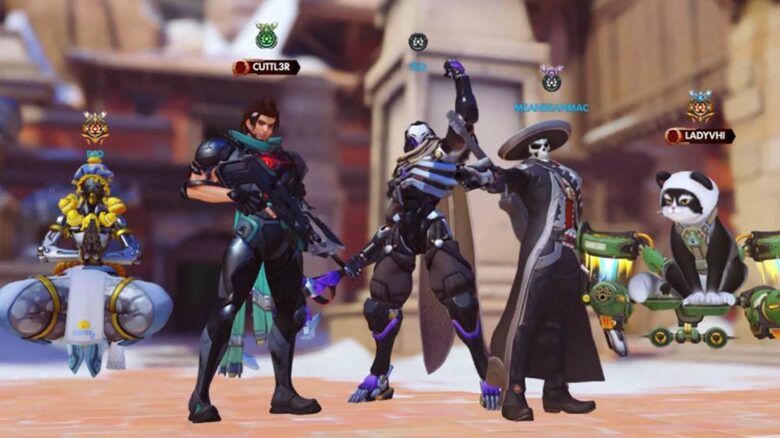
You have seen Overwatch change in a major way, moving from six players per team to five with the launch of Overwatch 2. That shift reshaped match pacing, hero balance, and team strategy, especially with the reduction to a single tank role. Developers aimed to simplify on-screen action, increase individual impact, and reduce some of the crowd control and layered defenses that defined late-stage 6v6 play.
Now that 6v6 has returned in limited forms, you can compare both formats more directly. Each version highlights different strengths, from tighter coordination in 6v6 to faster engagements and clearer fights in 5v5. Understanding how and why these changes happened helps you see where the game stands today.
Why Overwatch moved from 6v6 to 5v5
Blizzard reduced team size in 2022 to give you more direct impact in every match. With one fewer tank, fights became clearer and individual decisions carried more weight.
The shift aimed to:
- Cut down crowd control and layered defenses
- Increase DPS influence and speed up engagements
- Make team fights easier to read for players and spectators
- Shorten queue times, especially for damage roles
You experience faster pacing, fewer stalled chokepoints, and more space to make plays.
Tank balance created persistent design issues
When you played 6v6, two tanks stacked defensive tools that stretched fights far longer than intended. Heavy damage mitigation and layered sustain meant many engagements stalled until ultimates decided the outcome.
You often saw tanks absorb most of the crowd control in the match. Stuns, hacks, freezes, sleep effects, and knockdowns chained together, leaving you unable to move or respond for long stretches. That design frustrated players who expected consistent control in a first-person shooter.
Double-tank compositions also reshaped the meta:
- Barrier stacking slowed map flow and limited sightlines.
- Extra health pools made choke points harder to break.
- Defensive cooldown layering reduced the impact of individual plays.
While a second tank reduced pressure on one player, it increased the overall durability of the team. You had to push through more shields, more mitigation, and more recovery before securing eliminations.
Matches frequently slowed to a crawl, especially on tight maps where space already felt limited.
Making Matches Simpler to Follow
When you watch a 6v6 match, you track 12 heroes using abilities at the same time. That volume creates heavy visual noise, especially during full team fights. By shifting to 5v5, Blizzard reduced the number of on-screen effects and overlapping ultimates you need to process.
You can read fights more clearly with fewer players in each engagement. Key eliminations, positioning mistakes, and ultimate usage stand out instead of getting lost in layered effects.
The change improves clarity in several ways:
- Less visual clutter during team fights
- Clearer win conditions in each engagement
- Smoother viewing for new spectators
You spend less time figuring out what happened and more time understanding why it happened.
Matchmaking Delays Reached a Breaking Point
You waited longer because each match demanded two tank players per team, and too few players chose that role. The shortage slowed the entire matchmaking system, which pushed queue times up for damage and support players as well.
Shifting to a 1-2-2 lineup cut the tank requirement in half. With only one tank needed per side, the matchmaker could form games faster and keep queues more stable across roles.
Did the Move to 5v5 Deliver Results?
Shifting to 5v5 changed how you experience each match. Games move at a quicker pace, and you spend less time in queue because each team now needs only one tank instead of two.
With fewer players on the field, your positioning matters more. Every pick, cooldown, and rotation carries greater weight during team fights.
The single-tank setup also increases responsibility. You must create space, track threats, and protect teammates without a second tank to share the role. That added pressure raises individual impact, but it also leaves less room for mistakes.
Why some players continue to favor the 6v6 format
You may prefer 6v6 because two tanks share frontline duties. That setup spreads pressure across the team and reduces how often one player decides the outcome of a fight. With an off-tank present, you can peel, contest space, and recover from mistakes more easily.
Many players also value the older team structure.
- Shared responsibility: Two tanks divide damage mitigation and space control.
- Team-focused pacing: Fights often last longer and reward coordination.
- Familiar metas: Past strategies feel comfortable and predictable.
Nostalgia shapes this preference as well. If you stepped away for a while, you might remember earlier seasons more positively.
You can still queue for 6v6 today through Open Queue Quick Play and Competitive modes, so the format remains playable.
Six-Player Modes Remain Available
You can still play 6v6 in several active playlists. The format appears in:
- Quick Play Open Queue (6v6)
- Competitive Open Queue (6v6)
- Limited-time Arcade rotations
- Seasonal events such as Anniversary and Quick Play: Hacked
You regularly see six-player teams return through these rotating and permanent options.
Overwatch 5v5 vs 6v6 FAQs
Was Overwatch always 5v5?
No. You originally played in a 6v6 format built around two tanks, two damage heroes, and two supports. That 2-2-2 structure defined team strategy for years.
Why did the game move from two tanks to one?
Developers removed one tank to reduce crowd control chains and slow, shield-heavy metas. The change aimed to speed up fights and give you more individual impact during matches.
How did 5v5 affect gameplay?
With only one tank, you face more responsibility if you queue for that role. Teams rely less on tank synergy and more on positioning, timing, and mechanical skill. Fights tend to resolve faster, and mistakes can feel more punishing.
Did players support the shift?
Reactions were mixed. Some players appreciated the faster pace and clearer battlefield. Others missed the stability and coordination that came from running two tanks together.
What about queue times?
Queue times improved because matches now require only one tank per team instead of two. That reduced role bottlenecks and helped games start more quickly.
Is 6v6 available now?
Yes. You can play 6v6 again in both casual and competitive modes, depending on the current playlist rotation.