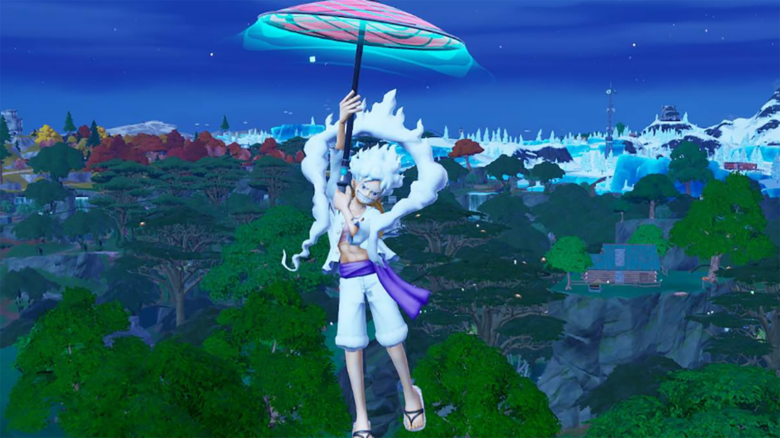
You might wonder whether a Fortnite custom skins mod lets you use your own character designs instead of official outfits. In theory, you could load almost any model and explore ideas beyond standard collaborations. In practice, Fortnite’s systems make skin modification one of the more complex areas to work with.
Epic Games tightly controls how skins function, which limits how you can use custom designs. You typically cannot share these mods or show them to other players in live matches. Most successful use cases stay private, such as testing how animations or emotes look on different models.
Can You Actually Run Custom Skin Mods in Fortnite?
You can technically run custom skin mods in Fortnite, but you face constant friction. The game updates often, and each update breaks older tools and files. Most mods you find on major mod hubs target outdated versions and fail to load in current builds.
You will notice that many available mods reference characters that Epic already sells as official skins. That overlap signals how quickly community work becomes obsolete. As a result, you spend more time troubleshooting than customizing.
Risks, Limits, and Practical Downsides
Fortnite treats mods very differently from single‑player games. Because you connect to live servers with anti‑cheat systems, any file changes raise red flags. Even cosmetic-only edits can trigger enforcement because the game cannot reliably separate skins from gameplay changes.
You should understand how Fortnite categorizes player activity:
| Game Type | Mod Tolerance | Risk Level |
|---|---|---|
| Single-player | High | Low |
| Offline modes | Moderate | Medium |
| Online live service | Very low | High |
Epic deploys aggressive anti‑cheat checks. These systems scan memory, files, and launch behavior. If you attempt to load a custom skin mod, the game may refuse to launch or disconnect you mid-session.
Bans remain the most common outcome. You might avoid detection for a short time if you run mods locally and never join public matches. That approach still violates the rules and carries long-term risk. Accounts tied to purchases, progress, and cosmetics make that risk costly.
You also face practical limitations that reduce the appeal:
- Frequent breakage: Updates invalidate tools with little warning.
- No official support: You troubleshoot alone or rely on small communities.
- Compatibility gaps: New animations, rigs, and shaders fail to match older mods.
- Security concerns: Third-party tools may include unsafe code or malware.
Live service design explains these limits. Mods can open paths to cheats, data leaks, or exploits. Epic prioritizes fair matchmaking, even if cheaters still slip through. From your perspective, that tradeoff protects competitive balance but blocks harmless customization.
Some players experiment on private or offline environments. These setups let you preview skins without affecting other players. Epic usually tolerates them until they gain attention or scale. Once visibility increases, takedowns follow.
Why Custom Mods Threaten Epic’s Business Model
Epic relies on cosmetic sales to fund Fortnite. Skins, bundles, and collaborations drive revenue. If you could freely swap any skin, you would have less reason to buy one.
That incentive shapes Epic’s stance. The company invests heavily in licensed collaborations and rapid releases. Mods would undercut that system by offering unlimited alternatives at no cost.
You can see the conflict clearly:
- Official skins generate revenue and follow quality standards.
- Custom mods bypass purchases and vary in quality.
- Private servers act as unofficial showcases for unreleased or retired cosmetics.
Epic responds by keeping tight control over assets and servers. When private servers or offline tools gain traction, they compete with the store. Epic then moves to shut them down or patch the methods they use.
Many mod concepts eventually become official products. Characters that once appeared only in community projects now arrive as polished, purchasable skins. That pattern reduces interest in mods while reinforcing the store’s value.
The scale of collaborations also matters. With constant crossovers, you already have access to a wide range of characters and styles. That availability lowers demand for unstable mods that risk bans and technical issues.
From your standpoint, the cost-benefit calculation stays simple:
- Mods offer short-term novelty.
- Official skins offer permanence, updates, and account safety.
That imbalance explains why Fortnite’s modding scene remains small. The technical barriers, enforcement risks, and economic incentives all push you toward official customization paths rather than custom skin mods.