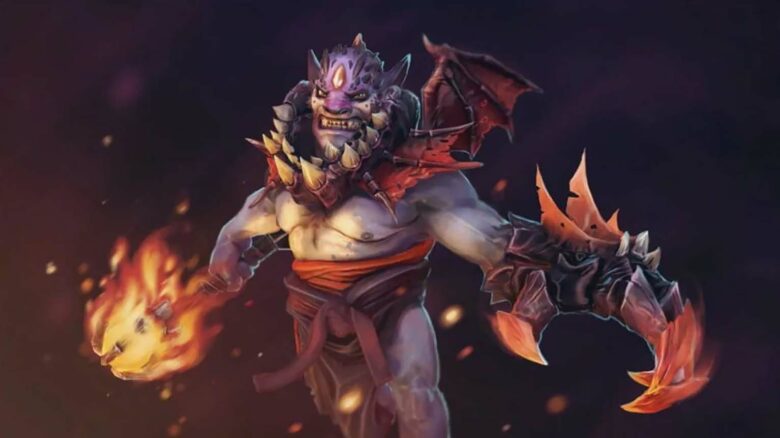
Ranked All Pick stands as the most played mode in Dota 2 because you use it to progress through the competitive ranking system. Every match begins with a drafting phase where you and your teammates choose heroes before the action starts.
To succeed, you need to understand how the drafting structure and pick order work. Knowing the system helps you make better decisions, avoid common mistakes, and approach each game with a clearer plan.
All Pick Drafting System Explained
Ranked All Pick follows a fixed sequence every match. You move through four structured steps, and each one shapes your final lineup.
Initial Hero Removals
At the start of the draft, the system removes 16 heroes from the pool. You do not manually ban during this stage.
The game selects these bans from:
- Heroes players marked as preferred bans in their profiles
- Heroes frequently banned within your MMR bracket
You can pre-select up to four heroes in your settings. The system guarantees that at least one of your choices gets banned, which lets you influence future drafts without direct input during the match.
Opening Picks (Two Heroes per Team)
After bans lock in, both teams choose their first two heroes simultaneously.
These selections stay hidden until both sides confirm their picks. Once locked, the game reveals all four heroes at the same time. This structure prevents direct counter-picking in the opening stage and often leads teams to secure flexible supports or stable core options early.
Second Selection Round (Two More Heroes)
With the first picks visible, you enter another simultaneous selection phase. Each team chooses two additional heroes, bringing the total to four per side.
Just like before, the heroes remain concealed until both teams confirm. At this point, you should evaluate:
- Lane matchups
- Damage types
- Teamfight control
- Overall draft balance
You now see most of both lineups, which narrows strategic options.
Final Hero Choice
The last phase determines your fifth and final hero. By now, you can see four heroes on each team.
This stage gives you the clearest chance to counter key enemy picks or correct weaknesses in your draft. You might secure a strong lane matchup, add needed control, or strengthen your late-game scaling depending on what your lineup lacks.
Drafting Rules and Penalties
Beyond pick order and bans, the game enforces specific rules during hero selection. You need to understand these mechanics because they directly affect your starting resources and hero availability.
Simultaneous Hero Selection Conflicts
In Ranked modes, both teams choose heroes at the same time during each phase. Because selections remain hidden until the phase ends, you can end up choosing the same hero as an opponent.
- First or second duplicate: The hero becomes unavailable for the match, and both players must choose again.
- Third duplicate in the same phase: The player who locked in first keeps the hero. The later picker must select another option.
This system applies only within a single drafting phase and can occur up to three times. You should prepare backup heroes in case your first choice gets removed.
Selection Time Gold Deduction
You receive 25 seconds to lock in a hero during each drafting phase. If you fail to choose within that window and the phase remains incomplete, the game reduces your starting gold.
- Penalty: 2 gold lost per second until you pick
- Result: Lower starting resources in the lane
Late decisions directly weaken your early-game economy.
Random Hero Option in Ranked
You can use the Random button, but only during the first picking phase. The system restricts it to this stage so your team retains time to adjust its strategy.
After the opening phase ends, random selection becomes unavailable.
Unofficial Ranked Pick Order Guidelines
You can select any hero at any time in Ranked All Pick.
In practice, players follow a loose structure that protects cores and limits early counters.
Opening Phase Reserved for Supports
Teams usually spend the first two selections on position 4 and 5 heroes.
You hide your win conditions by locking in supports early, since they reveal less about your overall strategy. This approach reduces the risk of enemy counter-picks against your carry or mid.
Common goals in this stage include:
- Securing reliable disables
- Adding lane sustain or save
- Establishing early vision control
Supports provide flexibility, so you lose less information by revealing them first.
Second Wave for Side Lane Cores
After both teams show supports, you move to offlane and safe lane cores.
At this point, you already see enemy utility picks, which helps you choose cores that lane well into them. You can adjust for damage types, lane pressure, and teamfight needs.
Focus on:
- Strong lane matchups
- Balanced damage (physical and magical)
- Clear early or mid-game timing
This phase shapes your team’s structure without exposing your mid matchup too soon.
Final Selection for Mid or Surprise Strategy
Mid players typically claim the last pick.
You protect your mid lane by avoiding direct counters that can dominate the lane and snowball the game. A stable or winning mid matchup improves rune control and early rotations.
In some drafts, your carry may request the final pick for a niche hero such as Meepo or Broodmother. If you choose this route, coordinate early so your mid selects a resilient hero that can handle most matchups independently.