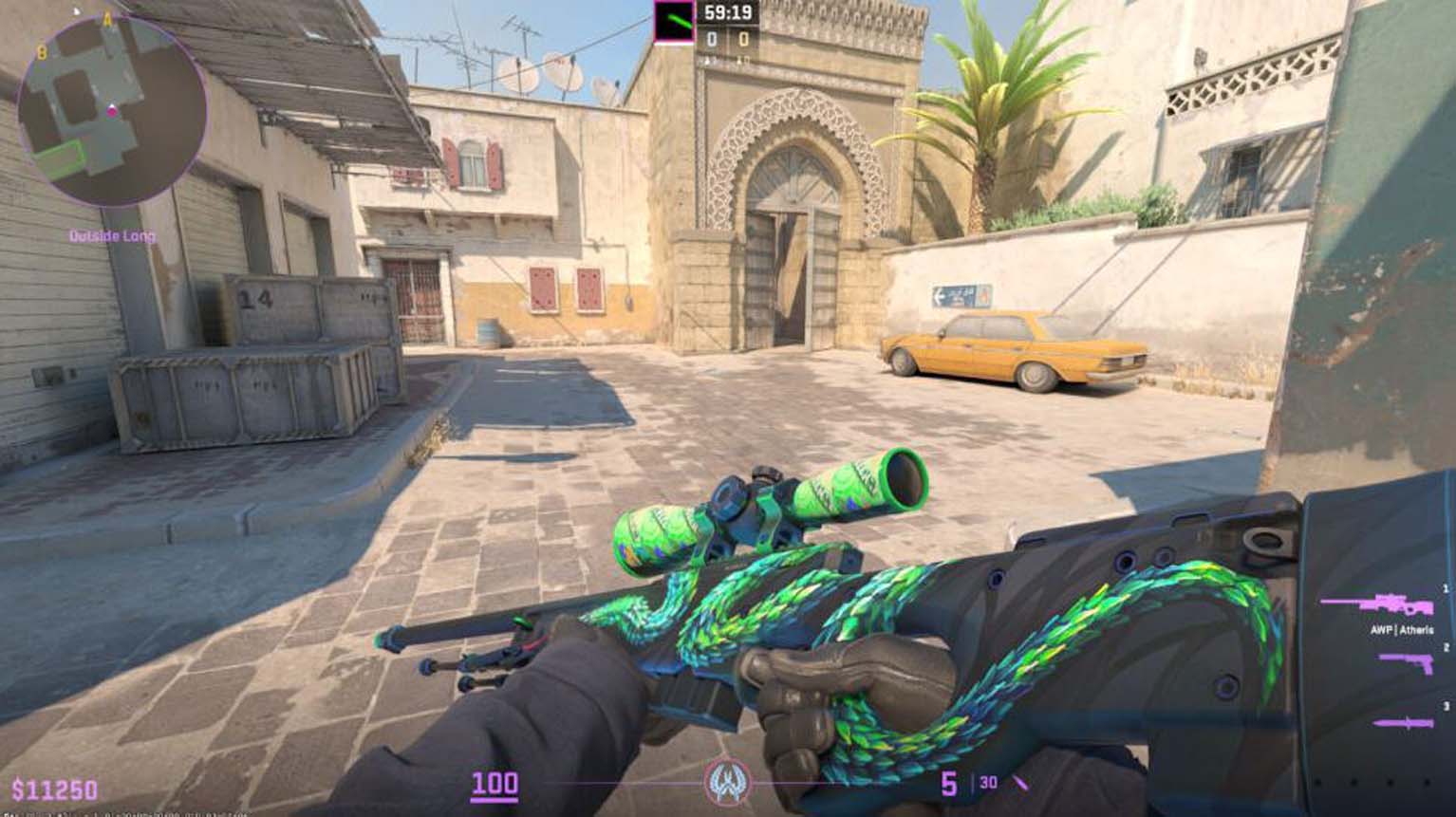
Eco rounds in CS2 offer more than simple damage control when your economy runs dry. When opponents expect an easy round, you can exploit careless positioning and poor discipline to create real winning chances.
If you approach these rounds with intent and coordination, you can shift momentum and disrupt the enemy economy. Understanding what to prioritize—and which habits to avoid—gives you a stronger chance to steal rounds that most teams write off.
What is a CS2 eco round?
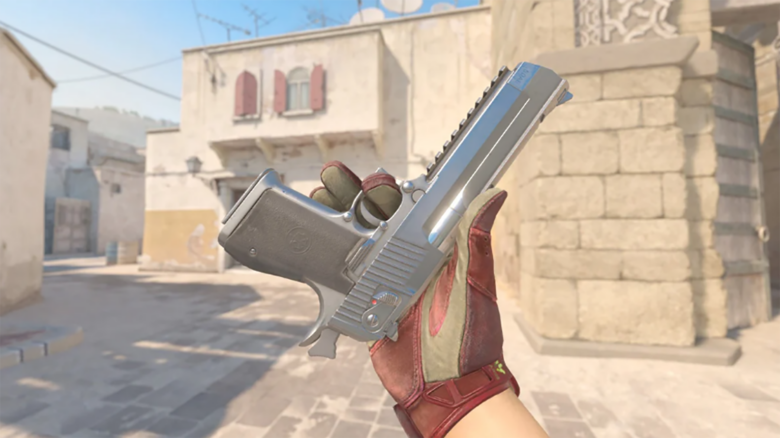
An eco round happens when your team lacks the money for rifles and full utility. You usually rely on pistols, light armor, or minimal upgrades while protecting your future economy.
You should always check your teammates’ money before buying. If most of your team cannot afford a proper buy next round, you gain more value by saving together instead of forcing purchases alone.
Loss bonus plays a central role in eco decisions. You calculate how much you can spend now while still enabling a full buy in the following round, including rifles, armor, and utility.
Your objective in an eco round focuses on economic damage, not survival. Each kill you secure increases the chance that the enemy must rebuy and weakens their economy.
Common eco priorities
| Focus | Purpose |
|---|---|
| Save credits | Enable a full buy next round |
| Target isolated enemies | Increase kill potential |
| Stack or group | Trade weapons efficiently |
Even two or three kills often justify the round. You measure success by impact, not by winning the round outright.
How you should approach an eco round in CS2
Commit to coordinated plays
You gain value on eco rounds by moving with purpose as a unit. Stick together, trade immediately, and focus on shared targets instead of isolated duels. Even basic pistols become dangerous when you collapse on one position at the same time.
Use simple plans everyone understands. Grouping, stacking a site, or holding a tight crossfire keeps decision-making fast and reduces mistakes.
Team priorities on eco rounds:
- Stay within trading distance
- Avoid solo pushes without support
- Play close angles that favor low-cost weapons
Get real value from limited utility
You rarely have spare grenades, so every piece of utility must create a clear advantage. A single flash can force defenders off an angle, while one smoke can let you close distance or cross safely.
Think in terms of impact, not volume. Use grenades to enable movement or surprise rather than delay.
| Utility | Best eco use |
|---|---|
| Flashbang | Force close-range fights |
| Smoke | Block rifles and reposition |
| HE grenade | Finish damaged opponents |
Use the Zeus as a positioning tool
The Zeus gives you a cheap way to punish careless clears. You trade range for certainty, so choose tight corners, stairwells, or drop-downs where enemies must commit.
Pair it with sound cues and patience. One clean Zeus kill can swing weapons, numbers, and momentum in your favor.
How to play on the T-side on an eco round
You control where and when fights happen on a T-side eco, so use that freedom with intent. Winning the round stays difficult, but smart choices raise your odds and protect your economy.
You can change the pace to disrupt the defense. If earlier rounds moved slowly, hit a site fast with minimal setup. Quick pressure forces reactions and creates close-range fights where pistols and shotguns perform better.
Another option focuses on isolating a defender. Identify a weaker hold and send multiple players together. Trade bodies, secure one rifle, and immediately reposition to reuse that weapon. Momentum matters more than survival.
Utility still has value, even in small amounts. When several players combine grenades, you may earn a kill or force defenders out of position. Use that opening to advance rather than hunt more fights.
Sometimes the goal shifts to the bomb. A single plant improves your next buy and justifies the risk. You can support that plan by sending the bomb with a lurker while the rest of the team draws attention elsewhere.
Common eco approaches
| Approach | Primary goal |
|---|---|
| Fast site hit | Surprise and trades |
| Grouped pick | Steal a rifle |
| Utility stack | Force an opening |
| Split with lurk | Secure a plant |
If the round collapses early, you can still use the time to align on the next call.
How to play on the CT side on an eco round
You should treat CT eco rounds as coordinated traps rather than individual duels. Stay grouped and commit to stacking one bombsite, then use limited utility to delay the other side.
A common approach works well:
- Stack 3–4 players on one site
- Hold close angles to force short-range fights
- Use smokes or flashes together, not alone
You can also take initiative. Push as a unit through a choke point or pop-flash multiple teammates out of a smoke to catch Ts mid-execute.
Even without a round win, focus on damage and weapon recovery.
| Priority | Goal |
|---|---|
| Teamplay | Trade kills |
| Utility | Buy time |
| Survival | Save rifles |
How to win against CS2 eco rounds
You beat eco rounds by staying disciplined and limiting risk. You already hold the firepower advantage, so you should avoid chasing easy kills or taking isolated fights. Play at longer ranges, keep your crosshair steady, and let your weapons do the work.
Spacing matters. You should always keep a teammate close enough to trade, which reduces the chance of losing rifles. This approach also denies the enemy free upgrades that can flip the round.
Key priorities during anti-eco rounds:
- Hold distance and avoid tight corners
- Move in pairs to guarantee trades
- Use utility early to control space
- Preserve weapons over padding stats
Your role changes slightly by side, but the goal stays the same.
| Side | What you should focus on |
|---|---|
| CT | Expect fast rushes and limited grenades. Use your utility to slow pushes, claim early map control, and force predictable paths. |
| T | Check for site stacks before committing. Send one player to gather information, then hit the weaker area together. |
You should control the tempo instead of reacting. When you dictate positioning and timing, eco rounds rarely spiral out of control.