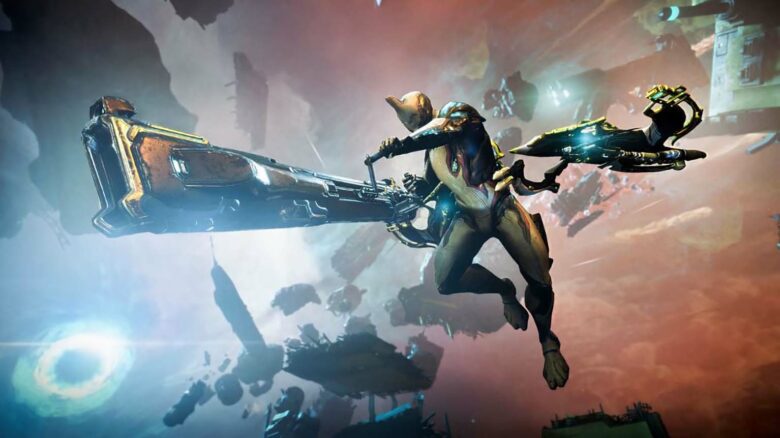
You have likely seen Digital Extremes grow alongside Warframe, the studio’s long-running sci-fi hit that has built a dedicated audience since 2013. As the game marks its 13th anniversary and expands to platforms including Switch 2 and mobile devices, the developer continues to widen its reach while preparing its next major project, the fantasy-themed Soulframe.
At the same time, you can expect a clear creative policy from the studio. Digital Extremes has publicly committed to keeping Warframe, Soulframe, and future titles free of generative AI content, stating that its games will remain fully human-made as more developers experiment with AI tools.
Digital Extremes Commits to Keeping Warframe and Soulframe Free of Generative AI Content
You can expect every asset in Warframe and Soulframe to come from human creators. Digital Extremes has publicly stated that it will not use generative AI tools to produce in-game content. The studio’s leadership framed this decision as permanent and non-negotiable.
Community Director Megan Everett made the position clear during an interview discussion. She said nothing in the studio’s games will be created by AI systems. You see a direct commitment to human-made art, writing, and design across both titles.
The policy follows an incident during a community livestream. An AI-generated artwork submission passed initial inspection and appeared convincing. Viewers quickly identified it as machine-made, which reinforced the studio’s concern about how easily such content can blend in.
You benefit from that strict stance if you value handcrafted design. Warframe features a distinct visual style and an expansive roster of characters, which makes it especially vulnerable to convincing AI imitations. The studio now draws a firm boundary to avoid confusion and protect authenticity.
Digital Extremes describes itself as a company that relies on people, not algorithms, to build its worlds. Developers, artists, and writers handle production across both projects. The message emphasizes that real individuals shape every update and expansion.
You can place this decision within a wider industry debate. Some studios experiment with generative AI for concept art, voice work, or environmental assets. Others face criticism when players discover AI-produced elements that were not clearly disclosed.
Digital Extremes positions itself on the cautious side of that divide. The company signals that it does not plan to integrate neural network–generated material into its pipeline. That clarity matters, especially as AI tools become more accessible and cost-effective.
Warframe has operated as a live-service title since 2013. Even after more than a decade, the game continues to receive major updates and systemic revisions. The studio maintains that this ongoing support comes from human teams, not automated systems.
You should also consider how this affects Soulframe, which does not yet have the same long-established audience. By emphasizing an AI-free production model early, the developer sets expectations for the upcoming project. It defines the creative identity of the new title before release.
Key details about Warframe:
- Release Date: March 25, 2013
- ESRB Rating: Mature 17+
- Genres: Action, RPG, Third-Person Shooter, Looter Shooter
- Developer and Publisher: Digital Extremes
Generative AI may reduce costs in certain workflows, but player trust carries long-term value. You see Digital Extremes prioritize that trust by rejecting automated content creation outright. The studio aligns its production philosophy with a fully human development process.