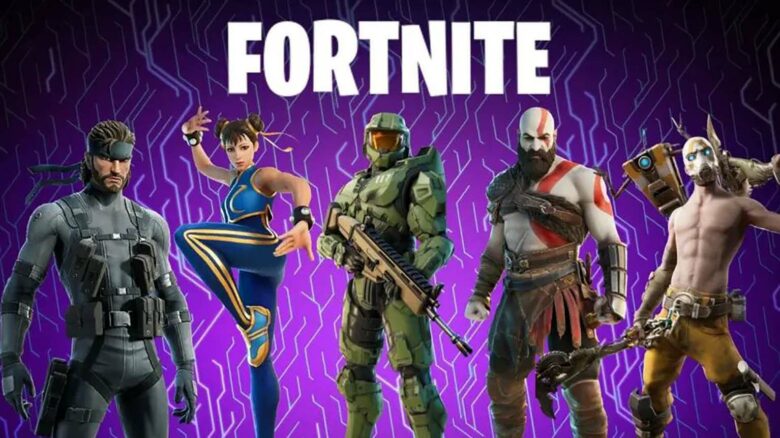
You see Fortnite’s video game crossovers expand across multiple years, with each release adding recognizable characters from established franchises into the same playable space. These additions follow a steady cadence rather than a single event, which lets you track how Epic Games integrates external series over time.
The collaborations span action, RPG, fighting, horror, and indie titles, creating a broad mix of play styles and visual identities. You encounter characters designed for shooters, melee combat, or narrative-driven games, all adapted to Fortnite’s mechanics without altering their core identities.
Notable crossover patterns you can observe
- Fighting games appear frequently, especially Street Fighter and Mortal Kombat, with multiple characters released in grouped waves.
- Narrative-driven franchises such as The Witcher, Alan Wake, and Cyberpunk 2077 arrive later, often paired with themed cosmetics.
- Shooter-focused series like Halo, Gears of War, Destiny, and Doom maintain a consistent presence across several years.
- Indie and experimental titles emerge more often after 2022, showing a wider licensing scope.
You can also notice that certain franchises receive repeat attention, with additional characters added long after the first appearance. This approach reinforces familiarity while still expanding roster depth.
Sample timeline highlights
| Franchise | Characters Included | Year Range |
|---|---|---|
| Borderlands | Psycho Bandit, Mad Moxxi | 2019–2025 |
| Street Fighter | Ryu, Chun-Li, Guile, Cammy, Sakura, Blanka | 2021–2022 |
| Resident Evil | Chris, Jill, Claire, Leon | 2021–2023 |
| Halo | Master Chief, UNSC Spartan | 2020–2025 |
| Mortal Kombat | Sub-Zero, Kitana, Raiden, Scorpion (MK3) | 2025 |
Release timing often aligns with broader franchise activity, but you still see gaps of several months or years between related additions. This spacing prevents oversaturation and keeps each drop distinct.
You also encounter characters that represent specific eras or versions, such as retro designs or alternate timelines. These selections give you visual variety while respecting long-running series histories.
By 2025, the crossover catalog extends beyond major publishers into niche and unconventional games. This shift shows a deliberate effort to appeal to different player interests without changing Fortnite’s core structure or pacing.