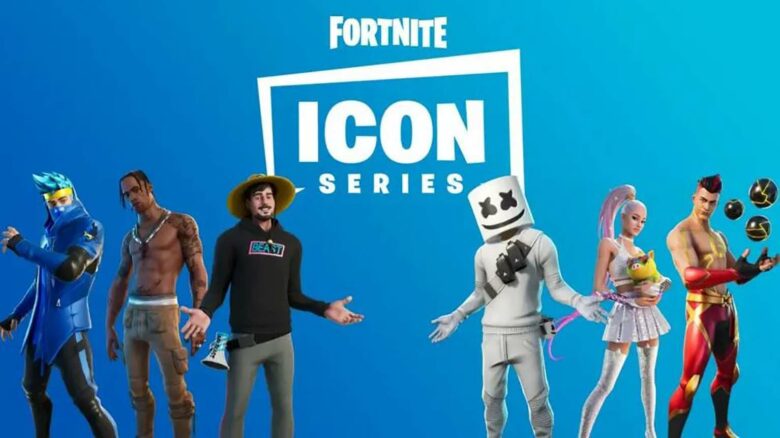
You engage with the Icon Series as a long-running collaboration line that connects Fortnite with real-world figures across music, sports, streaming, and pop culture. Epic Games launched the series in early 2019 and continued to expand it through steady, seasonal releases rather than isolated drops.
You can trace the early phase through artists and creators who already carried strong digital identities. Marshmello, Major Lazer, and Ninja set expectations for recognizable silhouettes, themed cosmetics, and timed in‑game events tied to their launches.
As the series matured, you saw a broader mix of entertainers and competitive figures. Musicians like Travis Scott and Ariana Grande appeared alongside streamers such as Loserfruit, Lachlan, and TheGrefg, reinforcing the idea that influence mattered as much as fame.
You also witnessed athletes enter the lineup in greater numbers. Footballers, basketball players, and Olympic athletes joined the series, including Neymar Jr., LeBron James, Naomi Osaka, and Chloe Kim, which expanded the appeal beyond gaming-focused audiences.
Release cadence followed a clear pattern:
- Early years emphasized pioneers and high-visibility debuts
- Mid-period releases diversified into sports and global music acts
- Later years favored variants, themed editions, and seasonal branding
You can see this structure reflected in the growing use of alternate outfits. Remix skins, combat versions, holiday editions, and reactive designs allowed Epic to revisit established icons without repeating the same presentation.
| Phase | General Focus | Common Traits |
|---|---|---|
| 2019–2020 | Foundational icons | First-time collaborations, simple variants |
| 2021–2022 | Expansion era | Sports crossovers, creator growth |
| 2023–2024 | Variant-heavy releases | Multiple styles per icon |
| 2025 | High-frequency drops | Global pop and creator culture |
You experience the Icon Series as more than standalone skins. Many releases coincide with limited-time modes, themed maps, quests, or music integration, especially as Fortnite expanded Festival and rhythm-based experiences.
Music artists became more prominent over time. You encountered multiple versions for performers such as Eminem, The Weeknd, Billie Eilish, Lady Gaga, Karol G, and Juice WRLD, each reflecting different albums, eras, or visual themes.
You also saw entire bands and groups arrive together. Metallica members, Gorillaz characters, and other collective releases emphasized coordinated aesthetics rather than single-character focus.
Creator representation continued to evolve. Streamers like MrBeast, Nick Eh 30, Clix, Bugha, and Kai Cenat received not only base skins but competitive or FNCS-themed versions tied to esports branding.
Common cosmetic elements you encounter include:
- Built-in emotes referencing real performances
- Reactive outfits that change during matches
- Back bling and pickaxes themed to careers or personas
You benefit from clear labeling within the locker. The Icon Series tag groups these cosmetics together, making them easy to identify regardless of release year or category.
You also notice an increase in cultural and regional variety. Later entries include international musicians, athletes, and creators, reflecting Fortnite’s global player base rather than a single market focus.
By 2024 and 2025, the pace accelerated. You saw frequent drops across consecutive months, often with paired variants released on the same day, such as platinum editions, holiday skins, or stylized alter egos.
You interact with the Icon Series as a living catalog rather than a closed collection. New figures continue to appear while earlier icons return in updated forms, reinforcing continuity without relying on nostalgia alone.
You ultimately navigate the series as part of Fortnite’s broader identity strategy. The Icon Series functions as a bridge between your in-game experience and recognizable figures from outside the game, updated regularly to match current trends and seasons.