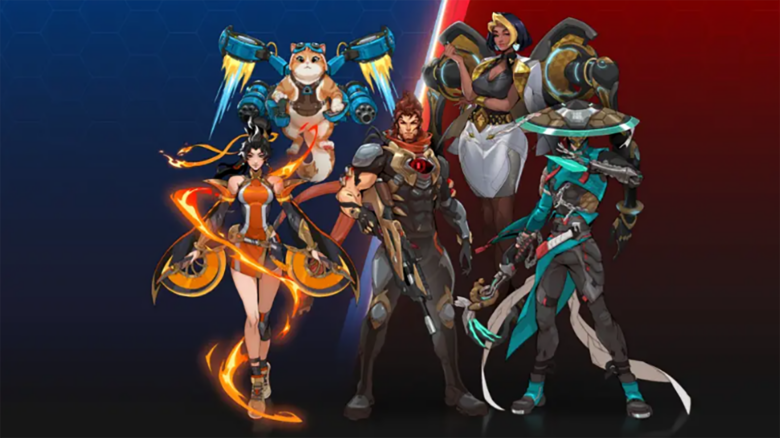
You get a clear overview of the new subroles arriving in Overwatch and how they fit into tanks, damage, and supports. These subroles, also called sub-passives, add another layer to hero identity and affect how you approach fights and team composition.
Season 1 introduces this system following details shared during the Overwatch Spotlight event. You also learn why the developers added subroles and how the team expects them to shape gameplay decisions going forward.
How Overwatch subroles work
You now play each hero with a defined subrole that adds a passive effect during matches when Season 1 begins on Feb. 10. These subroles sit inside the Tank, Damage, and Support roles and shape how you engage fights.
| Subrole type | What it affects |
|---|---|
| Bruiser, Initiator, Stalwart | Frontline pressure, durability, or fight starts |
| Sharpshooter, Flanker, Recon, Tactician, Specialist | Damage focus, positioning, or information control |
| Medic, Survivor | Healing output or self-sustain |
As a Survivor, you trigger health regeneration by using movement abilities, which rewards active repositioning.
All Overwatch subroles
You interact with subroles through passive effects that shape how your hero survives, moves, and secures value. These passives apply automatically and differ by role, letting you lean into specific play patterns without adding new buttons.
Tank subroles focus on durability and engagement control. You gain benefits that reduce incoming pressure or reward proactive positioning, especially during dives or brawls.
Damage subroles sharpen how you confirm eliminations and apply pressure. You receive bonuses tied to accuracy, mobility, or tempo, which influences how you approach fights and rotate.
Support subroles reinforce sustain and ultimate flow. You convert smart ability use and healing into personal safety or faster impact moments.
| Role | Subrole | What you gain | Heroes |
|---|---|---|---|
| Tank | Bruiser | Less damage from critical hits; speed boost at low health | Mauga, Orisa, Roadhog, Zarya |
| Tank | Initiator | Small self-healing while airborne | D.Va, Doomfist, Winston, Wrecking Ball |
| Tank | Stalwart | Reduced knockback and slow effects | Domina, Hazard, Junker Queen, Ramattra, Reinhardt, Sigma |
| Damage | Sharpshooter | Critical hits shorten movement cooldowns | Ashe, Cassidy, Hanzo, Sojourn, Widowmaker |
| Damage | Flanker | Health packs restore extra health | Anran, Genji, Reaper, Tracer, Vendetta, Venture |
| Damage | Specialist | Eliminations briefly speed up reloads | Bastion, Emre, Junkrat, Mei, Soldier: 76, Symmetra, Torbjorn |
| Damage | Recon | Reveal wounded enemies after damaging them | Echo, Freja, Pharah, Sombra |
| Support | Tactician | Excess ultimate charge carries over | Ana, Baptiste, Jetpack Cat, Lucio, Zenyatta |
| Support | Medic | Weapon healing also restores your health | Kiriko, Lifeweaver, Mercy, Moira |
| Support | Survivor | Movement abilities trigger passive regen | Brigitte, Illari, Juno, Mizuki, Wuyang |
Overwatch subroles explained
You now play within narrower combat identities that shape how each hero functions in fights. Instead of acting only as tank, damage, or support, you operate inside a subrole that defines your pacing, positioning, and priorities through a dedicated passive.
For damage, you choose from four paths that affect how you pressure enemies:
- Recon focuses on information and sustained presence.
- Flanker rewards mobility and backline pressure.
- Specialist leans into situational control and utility.
- Sharpshooter emphasizes precision and long-range impact.
Support splits into three distinct approaches that change how you keep your team alive:
- Survivor improves personal durability.
- Medic strengthens direct healing output.
- Tactician supports allies through timing, buffs, and coordination tools.
Tank subroles define how you lead engagements rather than how much damage you absorb:
- Stalwart anchors space and holds ground.
- Bruiser trades durability for aggression and tempo shifts.
- Initiator forces fights by breaking enemy positioning.
| Role | Subroles Available | Core Focus |
|---|---|---|
| Damage | 4 | Pressure and picks |
| Support | 3 | Healing style and utility |
| Tank | 3 | Engagement control |
You also see perk adjustments tied to these subroles. Those changes refine matchups and encourage you to rethink how familiar heroes fit into different team strategies without rewriting their core kits.