Oddball Heroes And Their Unique Playstyles
During a recent livestream, the Overwatch 2 development team clarified its stance on hero design. The discussion came after speculation suggested the game would move away from unconventional characters like Wrecking Ball and Ramattra.
Developers addressed the topic directly, emphasizing that their design approach remains broader than the rumors implied. The team highlighted its ongoing commitment to a variety of hero styles, aiming to balance unique concepts with broader player appeal.
Overwatch 2 set to introduce unusual new hero
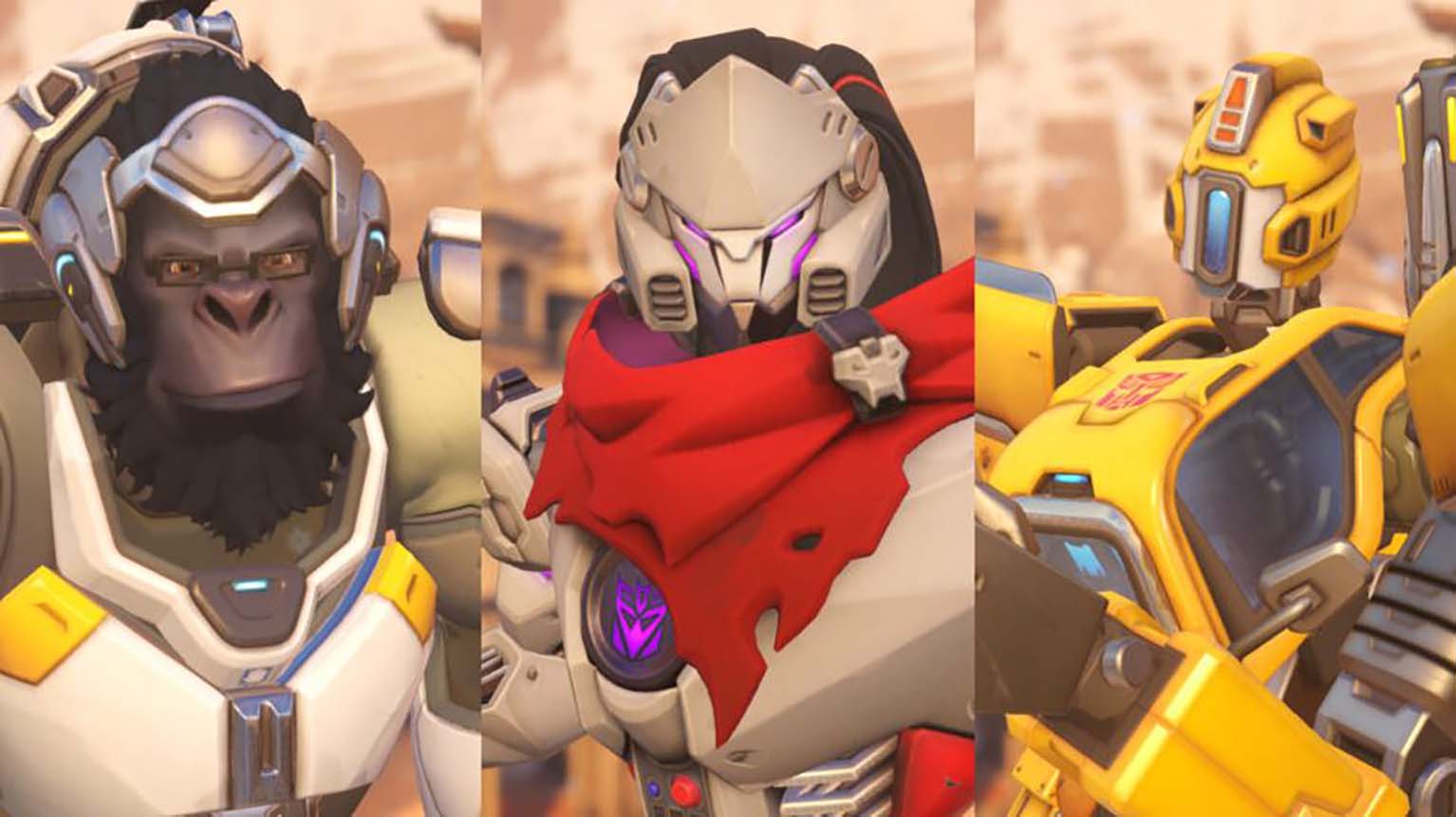
Overwatch 2’s development team has confirmed that a distinctly unconventional hero is currently in the works. This upcoming addition falls into the category of “oddities”—characters that stand apart from the game’s more grounded soldiers or scientists. Figures like Winston and Bastion remain central examples of this style, representing the unique mix that has defined the franchise’s roster.
During a recent developer update, team members emphasized that these eccentric characters are not going away. While details about the new hero remain under wraps, players can expect more information to be shared in the coming months. The announcement reassures fans who feared that Overwatch 2 might shift entirely toward more conventional or human-like designs.
The team’s stance on hero variety can be summarized as:
| Hero Type | Examples | Role in Game Identity |
|---|---|---|
| Soldiers | Soldier: 76 | Grounded, relatable combat |
| Scientists | Mei, Winston | Blend of intellect and action |
| Adventurers | Tracer, Cassidy | High-energy, mobile gameplay |
| Oddities | Bastion, Wrecking Ball | Distinctive, standout identities |
Developers have made it clear they value maintaining a balance between familiar archetypes and more experimental designs, ensuring Overwatch 2 continues to feature heroes that surprise and stand out.
Balancing Overwatch 2’s unconventional and visually appealing heroes
The Overwatch 2 development team continues to balance its roster between conventionally attractive human heroes and more unconventional, “oddball” designs. While recent hero releases may appear to lean toward human characters with aspirational qualities, the team maintains that unusual heroes remain an important part of the game’s identity.
According to the developers, all heroes are created with an aspirational approach. This means they are designed to be impressive in appearance, skill, and personality—whether they are human or not. The goal is to make each character someone players can admire, regardless of how grounded or eccentric their design may be.
Key points from the team’s approach:
- Aspirational design focus: Physique, expertise, and overall cool factor are central to hero creation.
- Diverse origins: Development may begin from narrative, gameplay mechanics, or visual concept.
- Inclusion of oddballs: Non-human and unconventional heroes will continue to appear, though at a measured pace.
Heroes such as Wrecking Ball, Winston, and Ramattra represent these more unusual designs. However, their creation involves unique technical challenges. Non-humanoid rigs and complex models require additional time and resources to ensure animations, abilities, and hitboxes work properly within the game’s systems.
| Hero Type | Examples | Development Challenges |
|---|---|---|
| Conventional human | Sojourn, Kiriko, Cassidy | Standard rigs, easier animation integration |
| Unconventional/oddball | Wrecking Ball, Winston, Ramattra | Complex rigs, unique hitbox design, specialized animations |
The team has stated that these challenges do not deter them from making oddball heroes. Instead, they plan to introduce them strategically, ensuring they fit both gameplay needs and the game’s evolving narrative.
Developers also note that starting points for hero creation vary. Some heroes begin with a backstory that shapes their gameplay and visuals. Others start with a gameplay idea that later informs their personality and appearance. This flexible process allows the team to adapt to both technical limitations and creative opportunities.
Future updates are expected to feature a mix of both hero types. While the pace of oddball releases may be slower due to production demands, the developers remain committed to keeping Overwatch 2’s roster varied in both style and personality.
Understanding Overwatch 2's Approach to Hero Creation
The design philosophy behind Overwatch 2’s heroes centers on making each one feel like the protagonist of their own standalone game. Developers aim for characters that stand out in both personality and gameplay, ensuring they can hold a player’s attention over long periods. This approach blends visual identity, backstory, and mechanical depth into a cohesive package.
A key element of this philosophy is the mastery curve. Every hero is built with layers of complexity that allow players to improve over hundreds of hours. Abilities are designed to be approachable for newcomers while offering advanced techniques for experienced players. This balance helps maintain engagement and encourages long-term investment.
The team also treats hero development as an iterative process. Lessons from previous characters—whether related to balance, ability design, or player feedback—are applied to future releases. This method allows the design team to adapt quickly while maintaining consistency in quality and style.
Core principles in hero design include:
- Protagonist Mindset: Each hero is envisioned as the lead character in their own narrative.
- Sustained Engagement: Mechanics are layered to reward continued play and skill growth.
- Iterative Learning: Past successes and missteps inform the next hero in development.
- Parallel Development: Work on new heroes often begins before the previous one is complete, allowing lessons to be integrated in real time.
The philosophy also considers how heroes fit within the broader roster. While Overwatch 2’s lineup includes a mix of personalities and archetypes, the focus remains on creating characters that players can connect with on both a mechanical and emotional level. This means abilities are not only functional but also support the hero’s identity and thematic concept.
Below is a simplified view of the design focus:
| Design Focus | Purpose |
|---|---|
| Character Identity | Ensure each hero feels unique and memorable |
| Gameplay Depth | Provide long-term mastery opportunities |
| Adaptability | Apply lessons from past heroes to improve future designs |
| Player Connection | Build emotional and gameplay-driven attachment |
By combining narrative, art direction, and gameplay depth, Overwatch 2’s hero design aims to deliver characters that are both distinctive and enduring within the competitive shooter landscape.