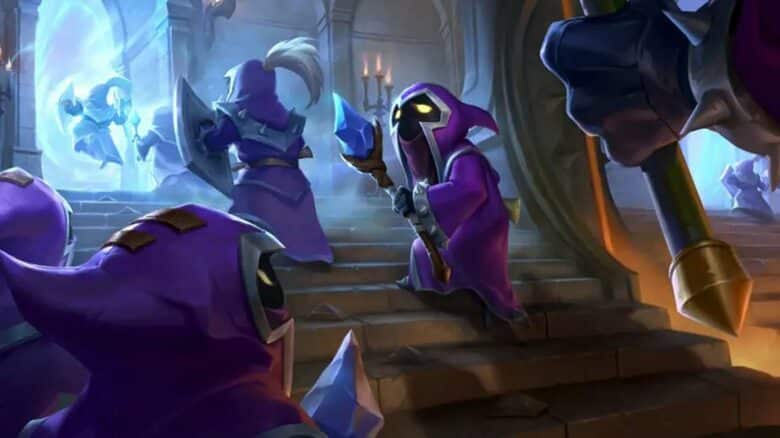
Riot Games plans to introduce extensive updates to League of Legends in 2026, reshaping several core gameplay systems. The update will adjust how lanes function, modify minion wave patterns, and alter the roles of homeguards and turrets. These adjustments aim to refresh the strategic balance that defines the game’s competitive environment.
Each new season of League of Legends typically brings mechanical and structural refinements, but the 2026 update signals one of the most sweeping overhauls in recent years. By refining these key systems, Riot intends to enhance pacing, map control, and the overall player experience across all skill levels.
LoL matches will speed up in 2026
Movement enhancements around the start of each match will make entering the Rift quicker and more dynamic. The Homestart effect now boosts champions with a brief burst of movement after leaving the base, leaving a visible trail. After 20 seconds, all players receive the Homeguard bonus, refreshing as long as they remain at the fountain.
In 2026, this effect will extend beyond the base, reaching the first turret during early stages and stretching to the farthest minion wave later in the game. The benefit fades early if a champion moves into the jungle or meets an opposing player.
Below is an overview of how far the movement bonus extends at different stages:
| Game Phase | Homeguard Range | Condition |
|---|---|---|
| Early Game | Tier 1 Turret | Ends when entering jungle or combat |
| Mid to Late | Furthest Minion Wave | Ends upon enemy contact |
These updates combine to reduce slow openings and create faster transitions into active lane play.
Impact on Player Experience
Riot intends these adjustments to emphasize lane presence and strategic positioning from the start. Faster map access helps laners push waves more effectively and coordinate earlier skirmishes.
In addition to gameplay adjustments, pre-match elements—including bans, lock-ins, and champion selection—now take less time. These refinements, currently tested in select regions, shorten waiting periods and make each match progress more smoothly from lobby to first engagement.
Minion Wave Adjustments
Early-game pacing will shift significantly with the updated wave timing. Minions now enter the lane at 00:30 instead of 01:05, accelerating early interactions and making the first minutes of play more purposeful. Teams that prefer early jungle movement will need to commit to their plans quickly, as the shorter setup period limits reaction time. This adjustment aligns with the redesign of early map tempo, aiming to create cleaner starts and more deliberate lane control.
Late-Stage Wave Timing
As matches progress, waves appear more frequently but with fewer minions. This approach maintains the usual flow of gold and experience while increasing wave accessibility and encouraging constant engagement.
| Game Time | Spawn Interval | Minion Count Change |
|---|---|---|
| 14 minutes | Every 25 seconds | Reduced |
| 30 minutes | Every 20 seconds | Reduced |
The faster wave cycles promote steady lane pressure and more consistent opportunities for turret plate damage. Players can engage in quicker rotations and shorter intervals between pushes, rewarding efficient lane management and precise timing.
Turret Changes
Turrets in the 2026 update have seen several mechanical rewrites that affect both early-game pressure and late-game defense. The shifts aim to make lane control, sieging, and split pushing more tactical while maintaining clear opportunities for counterplay. A new interactive system and rule adjustments modify how players build and break lane momentum.
Structural Updates
Turrets now feature Crystalline Overgrowth, a growth that forms over time and can be triggered by players for additional burst damage against structures. This element rewards active play and adds pacing to sieges.
The Demolish rune no longer stacks over time. Instead, it activates after three successful strikes, making the process more predictable and simpler to track. The intention is to encourage small advances that steadily reward players with gold rather than forcing prolonged conflicts before progress becomes meaningful.
Turret plates now remain available throughout the entire match. Players can always extract partial rewards, ensuring that isolated pushes or side-lane pressure yield consistent outcomes regardless of timing. Sustained engagement with structures becomes a continuous objective rather than a short time-limited event.
Gameplay Adjustments
Riot adjusted the plating and durability values across every turret tier:
| Turret Tier | Number of Plates | Notable Behavior |
|---|---|---|
| T1 (Outer) | 5 plates – remain available beyond 14 minutes | Encourages longer laning skirmishes |
| T2 (Inner) | 3 plates added | Gold is split per plate instead of full payout on destruction |
| T3 (Base) | 3 plates added | Maintains segmented rewards and steadier siege pacing |
In addition, Nexus turrets now regenerate with 40% of their maximum health when respawning. This condition reshapes endgame pushes, providing limited but tangible defensive breathing room.
Turrets no longer rely on temporary resistance bonuses after 15 minutes, and outer turrets gain less attack power later in matches. Melee champions inflict 20% more damage against all turret plates, while health values increase proportionally to maintain balanced durability. These refinements shift the structure game toward sustained pressure and controlled objective trading.