As the StarLadder Budapest Major 2025 wraps up, you face growing speculation about the timing of the next CS2 Premier season transition. Recent patterns suggest Valve aligns map pool updates with the close of Premier seasons, shaping expectations across the competitive scene.
At the same time, rumors point to a familiar map returning sooner than expected, which could disrupt that established rhythm. You may see the map pool shift again within weeks, raising questions about whether the rotation cycle is starting to repeat itself.
An Anubis Return Would Not Deliver a Meaningful Reset
You can feel how settled the current Active Duty pool has become. Several staples linger without pushing teams to rethink how they approach matches, and rotations often reward familiarity rather than adaptation. Even recent changes have shifted comfort picks more than they have altered strategic priorities.
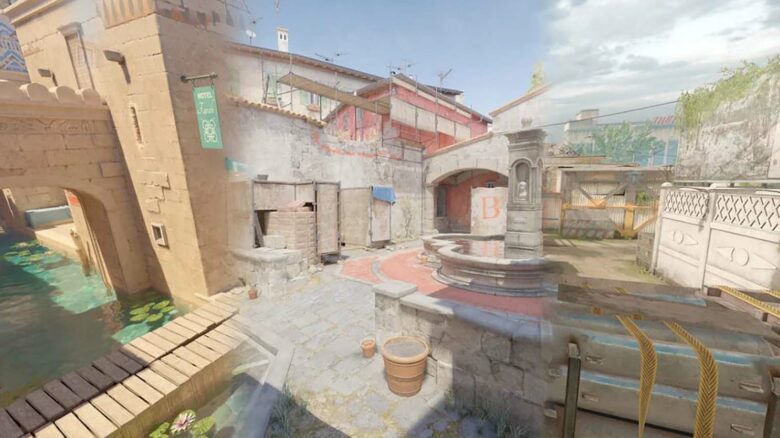
When you look at Anubis specifically, you already know what it brings. The map rewards sharp T-side spacing, fast mid control, and heavy utility usage, but it historically left defenders with limited stable setups. CTs often had to force information plays or gamble stacks, which narrowed strategic variety instead of expanding it.
Key issues you would face again include:
- Strong early-round T pressure that limits CT defaults
- High value on mid control with few safe fallback options
- Predictable CT reactions once utility patterns become known
Valve could rebalance those elements, and you should expect some level of tuning if Anubis returns. Even so, balance fixes alone would not change how familiar the map already feels at the top level.
Recent signs point toward preparation for Anubis rather than reinvention. Removing its collection from the store and calling for thematically aligned skins suggest a refresh cycle, not a bold direction change. That lines up with what you hear from within the pro scene: curiosity, not excitement.
You might see Anubis outperform certain incumbents on paper. That still frames the move as substitution, not transformation.
| Factor | Current Expectation |
|---|---|
| Strategic novelty | Low |
| Viewer freshness | Moderate |
| Practice burden | Minimal |
| Meta disruption | Limited |
You can also compare Anubis to the few remaining reserve options. Vertigo continues to struggle despite repeated revisions, and Train sees low engagement outside specific teams. In that context, Anubis becomes the safest possible answer rather than the most interesting one.
Calling Anubis a bad map would be inaccurate. It plays well, looks distinct, and fits Counter-Strike’s identity. What it does not do is challenge you to relearn the game. Swapping one known quantity for another keeps the pool moving, but it does not push it forward.
Go brand-new, or return to old faithful
You face a clear fork when the map pool rotates again. Valve can either commit to a fresh battlefield or revive a proven classic with modern updates. Both paths change how you prepare, practice, and compete.
A brand-new map forces immediate adaptation. You cannot rely on muscle memory, default utility lineups, or inherited playbooks. You learn timings from scratch, test rotations, and build protocols without legacy bias.
That pressure rewards teams and players who move fastest. You gain an edge by mapping sound cues, utility damage, and early-round control before opponents stabilize.
Recent history shows long gaps between true newcomers, which makes the case stronger. New additions arrived sporadically over the past decade, with years between releases. That delay increases the value of novelty when it finally arrives.
What a new map changes for you:
- Practice shifts from refinement to discovery
- Analysts gain real influence early
- Upsets become more likely during the learning phase
Returning to an old favorite offers a different kind of disruption. You already understand the fundamentals, but subtle layout changes can flip priorities. A widened choke or altered sightline reshapes the meta without erasing familiarity.
Cache and Cobblestone fit that mold. Each carries deep competitive history, yet both left the top tier long enough to feel unfamiliar to newer players. With targeted reworks, either could feel fresh without being alien.
A seasonal variant, such as a winter-themed remake, also affects visibility and pacing. You adjust crosshair placement, smoke value, and post-plant choices without relearning the map’s core logic.
Comparing the two options
| Option | Learning Curve | Short-term Volatility | Long-term Stability |
|---|---|---|---|
| Brand-new map | High | High | Medium |
| Reworked classic | Medium | Medium | High |
You also need to consider Valve’s recent approach. Map pool updates usually follow a one-in, one-out pattern, often tied to competitive seasons. That cadence favors safer choices, but it does not demand them.
From your perspective, risk matters less than opportunity. A new map opens space to define the meta early. A returning classic lets you leverage experience while still rewarding adaptation.
Neither path guarantees balance. Both demand work. The difference lies in where that work begins: from zero, or from memory reshaped by change.