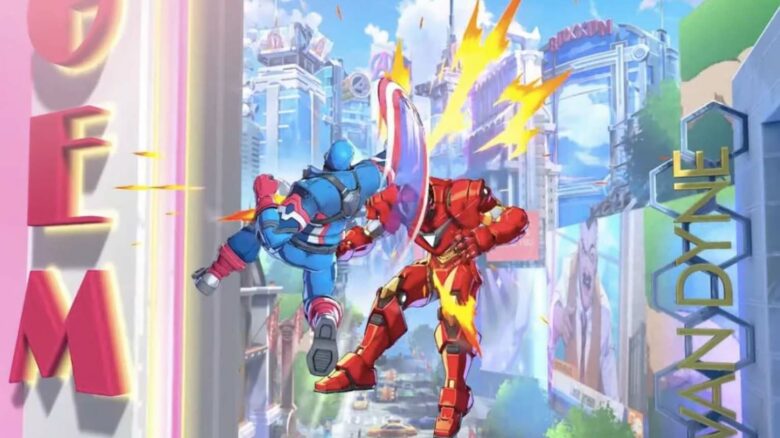
Marvel Tōkon is drawing attention as a new fighting game that pulls directly from Marvel’s long history of characters. When you look at its roster, you also see how those choices shape abilities, move sets, and overall play styles.
Marvel fighters arrive with established powers and fan expectations, which makes character selection especially important. Past Marvel fighting games reflected the trends of their time, and with Arc System Works leading development, you can expect a broader and more deliberate mix when the game arrives in 2026.
Complete Marvel Tōkon Fighter Lineup
You already have a clear picture of the early Marvel Tōkon roster, even though the full lineup remains unfinished. Announcements, trailers, and hands-on testing have established a solid foundation. The current selection reflects a deliberate focus on recognizable characters with varied playstyles.
You can expect these fighters to be available when you first load into the game. Each one represents a different corner of Marvel’s universe, which helps create distinct matchups and team dynamics within the 4v4 system.
Confirmed playable fighters include:
| Character | Core Identity | General Role Tendency |
|---|---|---|
| Captain America | Tactical super-soldier | Balanced, defensive pressure |
| Iron Man | High-tech Avenger | Zoning, mobility |
| Spider-Man | Agile street-level hero | Speed, mix-ups |
| Doctor Doom | Armored mastermind | Control, high damage |
| Ghost Rider | Supernatural antihero | Aggression, reach |
| Storm | Omega-level mutant | Air control, spacing |
| Ms. Marvel | Elastic brawler | Versatility, adaptability |
| Star-Lord | Cosmic outlaw | Mobility, projectile play |
You may feel drawn to familiar faces like Spider-Man or Iron Man. That approach works, but you benefit from experimenting across the roster. Arc System Works usually designs fighters with strong mechanical identities, which means unexpected characters often feel the most rewarding.
You also notice that this lineup feels intentionally lean. The developers prioritize polish over volume, especially during early testing phases. A smaller cast allows each fighter to feel distinct rather than overlapping in function.
Early access impressions suggest that these characters already show clear strengths and weaknesses. You can build teams around synergy rather than raw power. That structure fits Arc’s design history and supports long-term balance.
You should expect this opening roster to expand. Fighting games from this studio rarely launch with everything on the table. Instead, they evolve steadily after release.
Upcoming Additions to the Marvel Tōkon Roster
You can reasonably expect more fighters to join the game over time. The developers have already confirmed that additional characters are in development. This approach aligns with modern fighting game support models and Arc System Works’ past releases.
You should not expect an oversized roster at launch. Arc typically starts with a refined cast and adds new fighters gradually. That method gives each addition room to stand out and keeps the competitive scene fresh.
You may feel mixed about downloadable characters being planned early. Still, this model helps maintain player engagement long after release. Each new character creates renewed interest, balance updates, and fresh team compositions.
You can look at past Arc titles to understand what comes next. Games like Guilty Gear Strive received ongoing support when the player base stayed active. Less successful titles received shorter lifespans. Marvel Tōkon will likely follow the same pattern.
Several factors influence how long support continues:
- Player population stability
- Competitive scene growth
- Reception of post-launch fighters
- Performance against other major fighting games
You should also consider the competitive landscape. Marvel Tōkon enters a space already occupied by long-running franchises and newer challengers. Its connection to Marvel and Arc’s reputation gives it a strong starting position, but sustained success still depends on player response.
You can expect future characters to expand the game’s strategic range. New fighters often introduce mechanics that reshape team building and match flow. That evolution keeps the experience from becoming stagnant.
You will likely see a mix of heroes and villains added over time. Arc tends to balance fan demand with gameplay needs, rather than focusing solely on popularity. That approach benefits you as a player by preserving mechanical variety.
You currently have a projected release window set for 2026. Exact dates remain unconfirmed. Until then, you can expect more reveals, deeper character showcases, and further testing phases as development continues.