
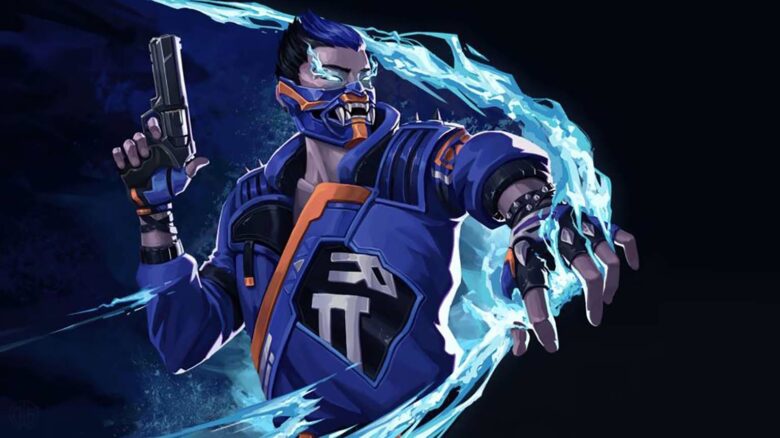
If you followed the competitive VALORANT scene in 2025, you likely heard analysts mention the “mosquito composition” during major events. DRX helped bring this setup into the spotlight, and it quickly became a defining strategy before balance changes reduced its presence in the meta.
You build this composition around Yoru alongside another high-mobility agent, creating a lineup that relies on speed and misdirection. By constantly shifting positions and applying pressure from unexpected angles, you force opponents to react rather than take control of the round.
Which Team Brought the Mosquito Setup Into the Spotlight?
You can trace the rise of the mosquito composition to DRX, who showcased it on the international stage at VALORANT Champions 2025. While double-duelist setups already shaped the meta, DRX’s approach drew attention because of how aggressively it used mobility and misdirection.
The lineup usually centered on Yoru, paired with another fast-entry agent such as Neon or Waylay.
- Heavy emphasis on rapid map control
- Early duels to disrupt defensive setups
- Constant repositioning to pressure rotations
DRX relied on this strategy throughout the event and secured a third-place finish, their strongest global result at the time. You saw it work best on maps like Abyss, Corrode, and Lotus, where tight corridors and quick rotations reward unpredictable movement.
Subsequent balance changes weakened key agents, which reduced how often teams run the composition today.
What Made This Setup So Effective?
You faced constant pressure because this lineup attacked from multiple angles at once. Teleports, flashes, and rapid dashes let Yoru and Waylay break defensive crossfires and force defenders into rushed decisions.
Instead of executing in a predictable pattern, you could:
- Teleport behind anchor players and split their focus
- Chain flashes into fast entries to deny counterplay
- Dash through utility before defenders could reset
That tempo often turned site anchors into isolated targets. Even disciplined teams that relied on structured site holds struggled to stabilize once the first layer of defense collapsed.
When defenders gave up space, you converted rounds into uncomfortable retake scenarios. Fast plants and aggressive post-plant positioning forced opponents to clear multiple threats under time pressure.
Balance changes reduced that impact. Heavy nerfs to Yoru, followed by adjustments to Waylay and Neon, removed much of the composition’s burst value. As a result, you now see more traditional duelists like Phoenix, Jett, and Raze in the meta, while Waylay appears only in specific situations rather than as a core strategy.