You have seen the hero shooter space shift rapidly over the past few years. Blizzard introduced Overwatch in 2016 and replaced it with Overwatch 2 in 2022, updating core systems and expanding the roster, though not every change pleased long-time players. Now, the franchise has climbed back to the top of Steam’s player charts, overtaking its closest rival.
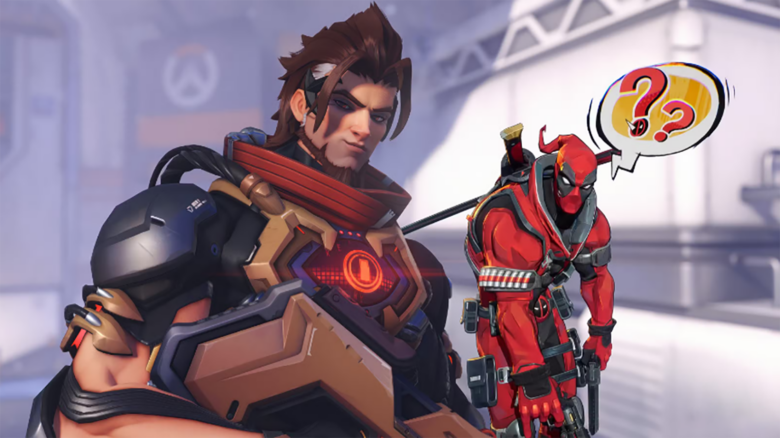
That rival, Marvel Rivals, launched in December 2024 and quickly drew attention by pairing team-based hero combat with a lineup of Marvel characters. The game expanded aggressively, adding more than 45 heroes by February 2026, with Elsa Bloodstone set to join next. Despite that momentum, you are now watching Overwatch reclaim its position as the most-played hero shooter on Steam.
Overwatch Moves Ahead of Marvel Rivals in Player Numbers
You can see the shift clearly in the latest Steam data. Overwatch now draws more active players than Marvel Rivals, both in live users and in peak traffic over a 24-hour period.
At the time of writing, player counts show a measurable gap:
| Game | Current Players | 24-Hour Peak |
|---|---|---|
| Overwatch | 108,000+ | 165,000+ |
| Marvel Rivals | 70,000+ | 112,000+ |
These figures place Overwatch in the lead across both key engagement metrics. The difference becomes more noticeable when you compare peak activity, where Blizzard’s shooter establishes a wider margin.
You can attribute this surge to a major relaunch that reshaped the game’s structure and presentation. Blizzard removed the “2” from the title and repositioned the experience under the original name, signaling a broader reset.
The update introduced a redesigned user interface that presents match data and team information more clearly. You can process cooldowns, objectives, and hero status with less clutter on screen.
Developers also added refined sub-roles within each class. These sub-roles grant passive traits, such as improved health pack efficiency or limited wall-based enemy detection, which change how you approach positioning and team composition.
The relaunch delivered five new playable heroes. Among them, you will find Emre, previously known from extended universe materials, and Jetpack Cat, a long-discussed concept that finally became playable.
Blizzard aligned these gameplay changes with a narrative reset. The new storyline begins with Season 1 of an arc titled Reign of Talon.
Season 1, called Conquest, places you in a conflict where Talon seizes control of key territories. Vendetta, introduced in a previous season, stands at the center of this offensive.
You choose a side during weekly events. Your participation contributes to faction progress and unlocks time-limited rewards tied to performance.
Blizzard plans to extend this storyline across six seasons throughout the year. Each season will introduce a new hero, which keeps the roster expanding at a steady pace.
This structured rollout contrasts with the competitive pressure from Marvel Rivals, which continues to grow its own roster and tease additional characters. Rumors and in-game hints about future arrivals keep its community engaged, but the recent data shows that Overwatch currently commands more concurrent attention on Steam.
You can also see evidence of developer responsiveness. The team confirmed a redesign for one of its newest heroes after reviewing player feedback, adjusting visual and gameplay elements to better align with expectations.
That responsiveness appears to support player retention. When you combine mechanical updates, fresh characters, narrative progression, and visible balance changes, you create multiple entry points for returning and new players.
The result shows up directly in the numbers. Steam tracking reflects the highest concurrent counts the game has recorded since its sequel-era launch window.
You now have a competitive landscape where both titles push updates aggressively, but Overwatch holds the numerical advantage at this stage. The relaunch did not simply refresh branding; it shifted engagement in measurable terms.