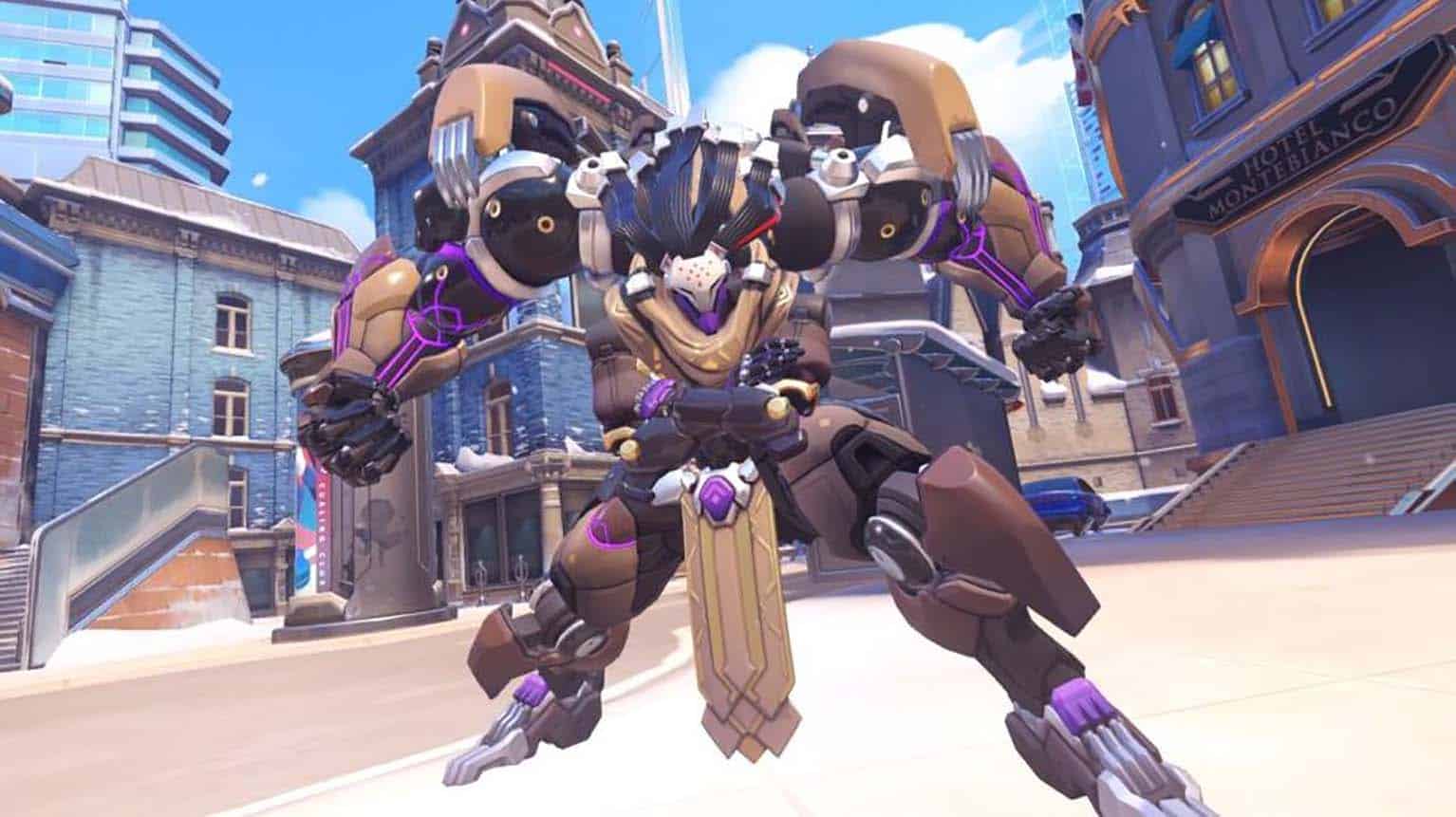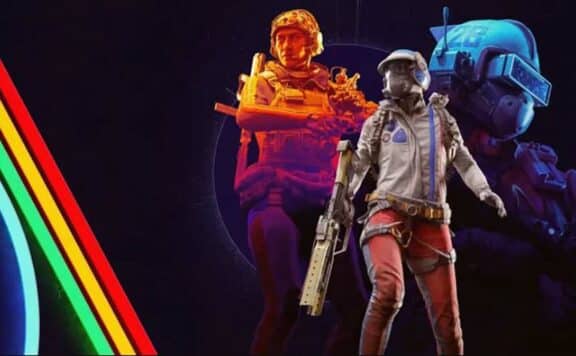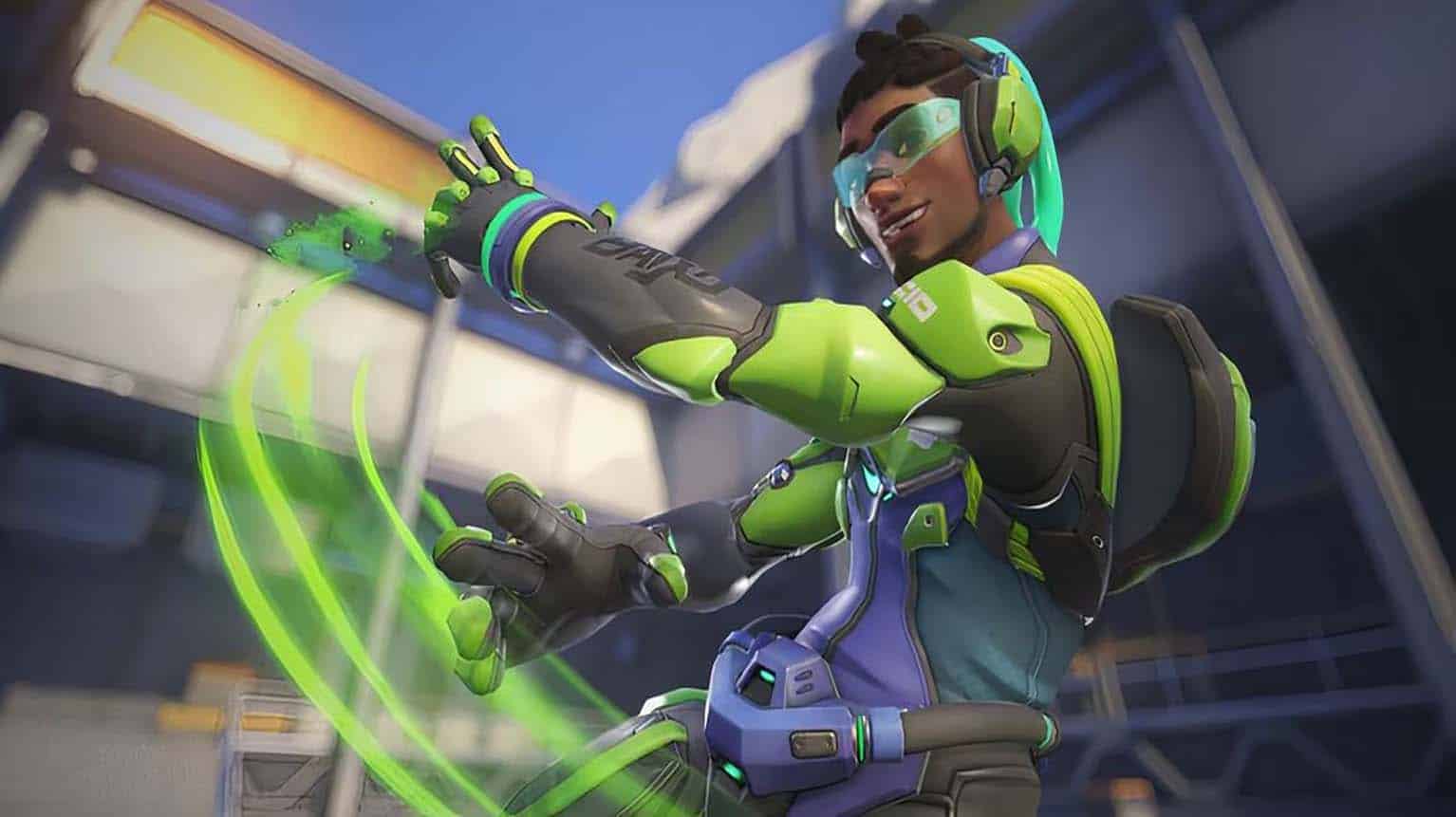
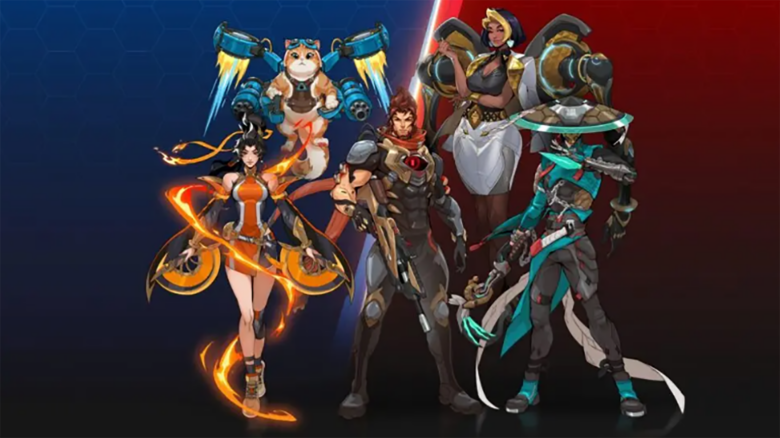
You’re seeing Blizzard Entertainment simplify its flagship shooter by removing the “2” and returning the game’s name to Overwatch. The company revealed the change during an Overwatch Spotlight event, aligning the rebrand with a broader shift in how the team presents the game.
You can view this move as a reset that reflects a new direction for Overwatch’s ongoing development. Blizzard frames the name change as part of a larger transition meant to define the game’s future under a single, unified identity.
Overwatch 2 becomes just Overwatch
Blizzard removes the number from the title and positions the game as a single, evolving platform. You now see the series presented as a continuous universe rather than a sequel-defined product.
The change signals a shift in how you experience updates and long-term plans. Blizzard frames the game as something that grows through seasons, stories, and characters instead of numbered releases.
What this change reflects for you:
- A unified identity across future content
- Ongoing development without sequel resets
- A focus on shared progression and community
You continue playing the same game, but under a name that emphasizes continuity over iteration.
Blizzard removes the 2 from Overwatch 2
You could see the change forming before any announcement. Players noticed small but consistent updates that quietly removed the sequel label across official channels.
Early signals included:
- A Steam listing update that renamed the Overwatch 2 – Invasion Bundle to Overwatch – Invasion Bundle
- Event branding that shifted from Overwatch 2 Spotlight to Overwatch Spotlight
| Area affected | Visible change |
|---|---|
| Store listings | Title no longer shows “2” |
| Event assets | Simplified franchise name |
These updates aligned across platforms and promotions.
Why dropping the “2” from Overwatch matters
You saw Overwatch 2 launch with expectations of a clear sequel, especially around PvE. When paid story content arrived late and broader PvE plans stopped, the name began to signal promises that no longer matched reality.
By removing the number, Blizzard resets how you view the game. The team now presents Overwatch as a single, continuing platform rather than a split between “old” and “new.” That shift reduces confusion about what content you should expect going forward.
Recent updates make the change easier to understand. You already play a game that looks different from its 2022 version, both in systems and priorities.
What changed before the rename
- The return of PvE in a smaller, focused form
- The addition of the perks system
- Stadium as a permanent new mode
- Stronger emphasis on lore through seasonal storytelling
| Before | Now |
|---|---|
| Sequel branding | Ongoing live service |
| PvE-centered marketing | Multiplayer-first focus |
Ironically, these improvements make the “2” feel unnecessary. You now engage with one evolving Overwatch, not a sequel chasing its original pitch.
Overwatch Season 1 release date 2026
You get the new era of Overwatch on February 10, 2026, when the game resets its seasonal structure and launches Season 1. Blizzard retires the Overwatch 2 Season 21 label and moves forward under a single name.
Launch details at a glance
| Item | What you receive |
|---|---|
| Release date | February 10, 2026 |
| New heroes | Domina, Emre, Mizuki, Anran, Jetpack Cat |
| Season format | Annual Season 1 start |
You gain access to five heroes on day one. Domina, Emre, and Anran arrive after earlier teasers, while Mizuki and Jetpack Cat round out the launch lineup. You can use all five immediately across supported modes.
Throughout 2026, you follow a year-long narrative focused on Talon’s expanding influence. You experience this arc through in-game events, hero trailers, animated comics, short stories, and updated maps.
You also take part in a five-week faction conflict between Overwatch and Talon. Rewards include 66 loot boxes, legendary Echo skins, and faction-based player titles. The season also delivers an Overwatch x Hello Kitty collaboration and a refreshed UI and UX that affects menus, progression, and presentation.