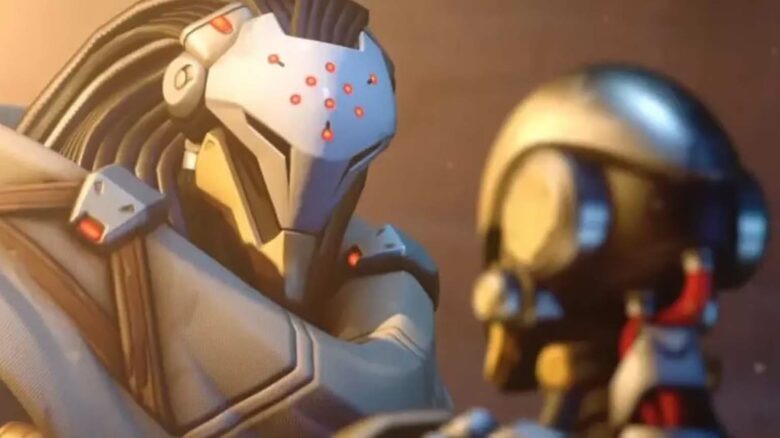
You often see fandoms strengthen through shared interest in character pairings, and Overwatch 2 offers a clear example through Ramyatta. This pairing brings together Ramattra and Zenyatta, two omnics whose shared past and opposing paths give fans ample material to explore.
You can see that interest take shape in the “Journey Together” zine, a fan-led project that highlights why this dynamic resonates. Through collaboration and discussion, creators examine the characters’ history, values, and emotional tension, showing how community-driven projects deepen engagement with the Overwatch universe.
Who are Ramattra and Zenyatta in Overwatch 2?
You encounter Ramattra as a tank hero and Zenyatta as a support, both omnics shaped by the Shambali Monastery. After the Omnic Crisis, you see Ramattra train under Tekhartha Mondatta, then guide Zenyatta to seek purpose there as well.
| Character | Role | Shambali Path |
|---|---|---|
| Ramattra | Tank | Studied as a monk; later led Zenyatta |
| Zenyatta | Support | Followed Ramattra to the monastery |
Why fans love the Ramyatta pairing
You notice the appeal first in small, quiet details. In-game voice lines between Ramattra and Zenyatta carry restraint and sincerity, which makes their bond feel lived-in rather than performative. When Ramattra speaks with concern or familiarity, you hear history instead of exposition.
You also see how shared memories strengthen that connection. References to long nights spent watching the stars suggest a past built on patience and trust, not conflict alone. These moments frame their relationship as something that existed before ideology pulled them apart.
Fans respond strongly to the contrast between who they were and who they became. You watch Zenyatta pursue balance and reflection while Ramattra chooses urgency and revolution. That divergence gives you a pairing shaped by values, not by convenience.
Several elements consistently draw you in:
- Emotional restraint rather than overt romance
- Ideological tension grounded in shared origins
- Mutual respect that survives disagreement
- Subtle writing spread across voice lines, comics, and cinematics
You may also recognize familiar archetypes at work. Ramattra’s presence echoes well-known revolutionary figures from other franchises, which helps some fans connect to him immediately. When paired with Zenyatta’s calm moral center, the dynamic feels both classic and specific.
The official comics deepen that interest. Scenes where the two reunite under heavy emotional weight give you direct insight into what was lost and what still lingers. Those moments avoid resolution, which keeps the relationship open-ended and compelling.
Performance plays a major role in how you perceive the pairing. The voice actors deliver lines with clear emotional intent, making pauses, tone shifts, and restraint matter as much as the words themselves. When you hear them interact, the connection feels intentional and personal.
You can break down the appeal into how different media reinforce each other:
| Element | What you experience |
|---|---|
| Voice lines | Intimacy and shared memory |
| Comics | Emotional context and unresolved tension |
| Cinematics | Physical presence and history |
| Community works | Expanded interpretations and focus |
You stay invested because the story never overexplains itself. The pairing trusts you to read between the lines and form your own understanding of what binds them together.
Creating the Ramyatta zine
You see the Ramyatta zine take shape in December 2025, when Laurence releases Journey Together to the fandom. You can still access it through Google Drive, and you do not need to pay to read it. The project brings together 13 contributors and spans more than 70 pages of original artwork and comics.
You notice the scale stays intentional and personal. Laurence builds on experience from an earlier, much larger zine, but you get a tighter structure this time. You feel the focus shift toward collaboration among friends rather than managing a massive production.
You watch the team form across borders. Laurence and Wong split outreach based on language and location, then bring everyone into a shared Discord space. Some contributors cannot speak to each other directly, yet you see work continue because everyone shares interest in the same characters.
Project scope at a glance
| Aspect | Details |
|---|---|
| Release timing | December 2025 |
| Format | Digital zine, free access |
| Contributors | 13 artists and writers |
| Length | 70+ pages |
| Physical copies | Limited print run |
You encounter practical challenges early in production. Artists use different software, including Procreate and Krita, which creates friction during file exchanges. You also deal with delays, since many contributors balance the project alongside full-time jobs.
You see progress happen through repeated revisions. Contributors submit drafts, receive feedback, and refine pages in cycles rather than rushing completion. This approach keeps quality consistent while respecting limited availability.
You notice that printing does not drive the project. The team produces a small number of physical copies as a celebration for contributors, not as a commercial goal. The digital edition remains the primary way readers experience the zine.
You can apply several clear practices from this process to your own fandom projects:
- Set a timeline early so contributors understand expectations.
- Define submission rules to reduce confusion during reviews.
- Clarify content ratings and boundaries before work begins.
- Allow limited flexibility for special cases without losing structure.
You learn that shared interest sustains momentum. Even with language gaps, time constraints, and technical hurdles, the project moves forward because everyone values the same pairing. You see passion function as a practical tool, not a slogan, by keeping contributors engaged until the final pages come together.
Why celebrating Ramyatta matters
Celebrating Ramyatta matters because it shows how fan-created work can sustain motivation, skill, and community over time. When you see projects like a multi-artist zine shared widely, you also see proof that creative effort can resonate beyond the original fandom space.
For many creators, external validation does not come from metrics or trends. It comes from personal support systems that recognize the value of the work, even without full context. That support reinforces creative habits and lowers the barrier to returning to art after long gaps.
Key ways this kind of celebration makes a difference:
- It normalizes long-term attachment to a specific pairing or theme.
- It signals that niche interests deserve care and effort.
- It creates space for artists at different skill levels to contribute meaningfully.
You also avoid the isolation that often comes with loving media that lacks an active fan base. Past experiences with underrepresented or short-lived fandoms show how discouraging it can feel when no one else creates alongside you. By continuing to make and share Ramyatta-focused work, you help prevent that silence from forming later.
This matters even more as interest naturally shifts within large franchises. Games evolve, audiences move on, and attention fragments. Consistent fan output preserves a record of what mattered to you at a specific moment in time, regardless of broader trends.
Creative persistence carries practical benefits as well.
| Impact area | What you gain |
|---|---|
| Skill development | Regular practice through illustration, comics, or design |
| Confidence | Willingness to share work publicly |
| Community | Connection with people who value the same characters |
Celebration also reframes how you relate to the source material. You can appreciate what inspired you without needing to agree with every creative decision made by the franchise. That distinction allows you to stay engaged without feeling defensive or disengaged.
Importantly, Ramyatta-centered projects encourage you to create without waiting for permission or approval. They model an approach where passion justifies effort on its own terms. This approach helps counter stigma around “weird,” “controversial,” or highly specific interests.
When you keep making art for something you care about, you reinforce a simple idea: enthusiasm has value, even when it is niche. Shared projects like collaborative zines demonstrate how individual motivation scales into collective meaning through steady participation.
That shared journey strengthens both personal identity and community ties, grounded in creation rather than consumption.