Counter-Strike 2 demands coordination from all five players on your team. When one person underperforms or ignores their role, you often feel the impact immediately, and tension can rise fast. In high-pressure rounds, frustration can spill into chat and voice comms, which leads many players to ask whether CS2 has a toxicity problem.
Toxic behavior does exist in CS2, but the issue is more complex than simple bad manners. Competitive pressure, strong personalities, and uneven skill levels all shape how players treat each other. Understanding why this behavior happens helps you handle it more effectively when you encounter it in your own matches.
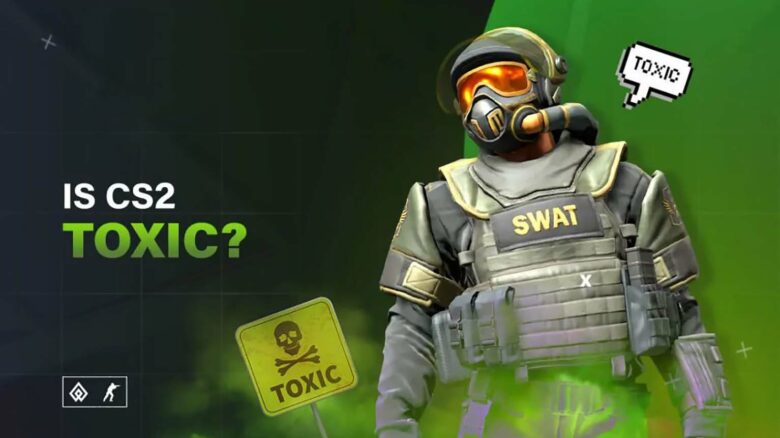
Is CS2 Toxic?
You will encounter toxic behavior in CS2, and it has been part of the Counter-Strike culture for years. Valve rarely issues bans for simple verbal abuse, so negative behavior often continues without major consequences. Many players adopt a “deal with it or leave” mindset.
Toxicity appears in different forms, and not all of it carries the same weight:
- Light trash talk – calling teammates bad or mocking opponents.
- Mind games – labeling enemies as “bots” to shake their confidence.
- Personal attacks – comments that cross into harassment or discrimination.
The first two are common and often dismissed as competitive banter. The last category creates real problems and pushes some players away from the game.
You will see this behavior at every rank. A 5k Premier lobby can feel just as hostile as a 25k match. Third-party platforms like FACEIT issue bans for toxic conduct, but penalties do not stop everyone.
Community discussions frequently compare CS2 to other competitive titles such as Valorant or League of Legends. Many players describe CS2 as having a particularly harsh environment, especially in solo queue. Reports of harassment, griefing, and verbal abuse appear regularly in forums and player feedback tools.
Even at the professional level, reputation matters. Well-known players have faced criticism or lost opportunities due to perceived in-game behavior. Skill alone does not protect you from consequences tied to attitude.
If you are new, the tone of matches may surprise you. If you are experienced, you likely expect some level of verbal friction. The environment is not unplayable, but you should prepare for direct and sometimes aggressive communication.
How to Handle Toxic Behavior in CS2
When a player disrupts your match with hostile or abusive behavior, take control of what you can manage. Mute the individual player directly instead of disabling all voice chat. This action blocks both their voice and text messages, which removes the main source of distraction without cutting you off from the rest of your team.
You may miss occasional callouts from that person, but consistent negativity harms team focus more than limited communication gaps. Protecting your concentration improves your performance and keeps the match productive.
If the behavior continues to affect the team, you can start a vote to remove the player. This option works best when the majority agrees. Keep in mind that removal attempts often fail if the disruptive player queued with a friend, since grouped teammates typically vote together.
Focus on clear communication with cooperative teammates and avoid engaging with the toxic player.
Break the Cycle of Toxic Behavior in CS2
Accept that frustration is normal, but acting on it hurts your results. When a teammate misses shots or makes a poor decision, you gain nothing by attacking them. Criticism delivered in anger lowers team morale and reduces your chances of winning the match.
Use simple control methods in tense moments:
- Mute your microphone if you feel an outburst coming.
- Take a breath before speaking.
- Avoid sarcasm, sighing, or passive-aggressive comments.
- Never use insults or slurs.
Toxic behavior includes more than direct insults. Tone, timing, and attitude matter. If you complain after every lost round, you distract your team and create tension. Players who feel blamed often stop communicating or stop trying. That reaction costs rounds.
Shift your attention to what you can control. You cannot aim for your teammates or make decisions for them. You control your positioning, crosshair placement, utility usage, and communication. When you focus on your own responsibilities, you improve consistency and reduce emotional reactions.
Use this comparison to guide your mindset:
| Unproductive Reaction | Productive Alternative |
|---|---|
| Blame a teammate | Review your own play |
| Argue mid-round | Give clear callouts |
| Complain about rank | Adapt to the lobby |
| Flame after mistakes | Reset for next round |
If your goal is to gain rating and win more matches, discipline matters more than venting. Stay direct, keep comms useful, and move on quickly from errors. Controlled communication and personal accountability lead to better long-term results.