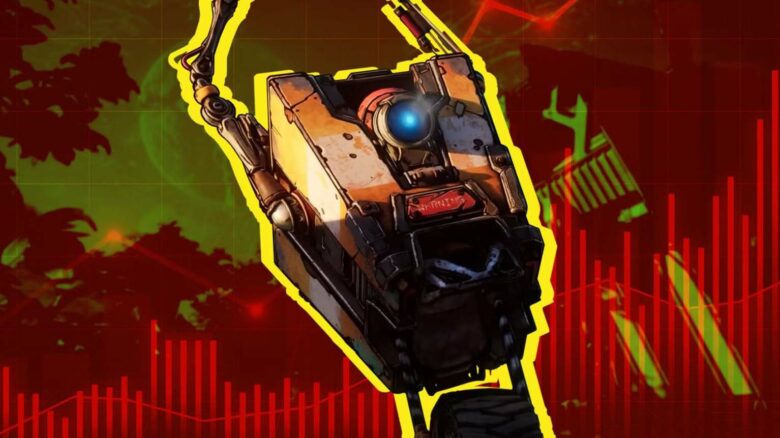
When you look at Borderlands 4 on PC today, you see a markedly different experience from its Fall 2025 launch. Early expectations were uneven due to debate over pricing, system requirements, and public comments from leadership, which shaped how you and other players approached release.
Although the game debuted to solid critic reviews, many PC players reported frame rate drops, stuttering, and crashes, even on high-end hardware. Within two months, the player base declined sharply and Steam user ratings fell to “Mixed.” In the months since, Gearbox has implemented targeted performance updates that have reshaped how the game runs on PC.
Gearbox Reports a Roughly 20% Boost to Borderlands 4’s Average PC Frame Rates
Gearbox states that Borderlands 4 now runs about 20% faster on average compared to earlier builds. You can see the difference when comparing Version 1.0.2 to Version 1.5, where internal testing shows clear gains across both minimum and high-end PC setups.
The studio shared specific frame rate data to support that claim:
| Hardware Target | Version 1.0.2 Avg FPS | Version 1.5 Avg FPS |
|---|---|---|
| Minimum Spec PC | 37.32 FPS | 52.79 FPS |
| RTX 4090 System | 54.96 FPS | 78.43 FPS |
On lower-spec machines, you move from sub‑40 FPS performance to averages above 50 FPS. On an RTX 4090, averages now approach 80 FPS. Gearbox says these improvements come without noticeable reductions in visual quality.
You also benefit from smoother frame pacing. The team reduced severe dips so that low frame rates stay closer to the average, which helps limit visible stutter during combat and traversal. That change targets consistency rather than peak numbers.
Crash frequency has dropped as well. Gearbox reports that crashes now occur in 0.38% of sessions, which cuts the December rate roughly in half. You should encounter fewer hard stops during extended play sessions.
A major technical focus involved the game’s weapon system. With billions of possible gun variations, the engine must handle a wide range of materials and visual combinations. Rendering those assets on the fly can strain both CPU and GPU resources.
To address this, the developers adjusted how the game communicates with graphics drivers. The system now signals new materials earlier, giving your GPU more time to prepare shaders and rendering data before those assets appear on screen. This approach reduces sudden performance hits when new weapon variants load in.
The team also tuned lighting and physics calculations. By refining how effects process across CPU and GPU workloads, the update lowers resource spikes tied to explosions, elemental damage, and environmental interactions. You experience fewer abrupt slowdowns during heavy action sequences.
These changes build on several earlier patches that targeted optimization. Some prior updates produced mixed results for players, but recent builds show steadier improvement according to Gearbox’s internal metrics and public patch notes.
Support will continue through 2026. Gearbox previously committed to weekly patches and monthly updates, which means you can expect additional performance adjustments alongside gameplay fixes and content updates.
Not every platform shares the same trajectory. Work on the Switch 2 version remains paused indefinitely, leaving its status uncertain. That pause may allow more engineering focus on PC, PlayStation 5, and Xbox versions in the meantime.
For PC players, the measurable gains in average FPS, improved frame consistency, and lower crash rates mark a tangible shift in performance stability compared to launch-era builds.