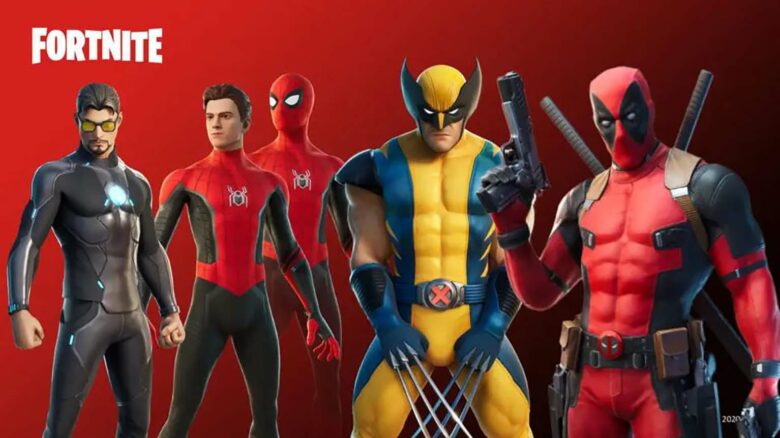
You see Marvel’s presence in Fortnite expand through steady, date-driven releases that span item shop rotations, seasonal battle passes, and limited subscription rewards. Each addition follows a clear pattern tied to major Marvel storylines, film releases, or themed Fortnite seasons, which shapes how and when you can obtain specific outfits.
Early collaborations focused on individual heroes offered through the Item Shop. You first encountered characters such as Black Widow and Star-Lord in 2019, both sold directly without progression requirements. These releases set the baseline: single-skin purchases with matching accessories that returned periodically rather than remaining permanently available.
In 2020, Epic shifted toward deeper integration. You gained access to Marvel characters through a full Battle Pass lineup, which required in-game progression rather than direct purchase. This approach changed how you unlocked skins and tied Marvel characters to Fortnite’s seasonal narrative.
Key distribution methods you encounter include:
- Item Shop: Direct purchase during limited-time rotations
- Battle Pass: Progression-based unlocks tied to a season
- Fortnite Crew: Monthly subscription exclusives
You experienced the largest single expansion during the 2020 Marvel-themed season. Characters such as Thor, Storm, Mystique, Doctor Doom, and Iron Man appeared together, each with built-in styles or emotes. This season established Marvel characters as part of Fortnite’s core storytelling rather than guest appearances.
Later releases balanced comic-inspired designs with film adaptations. You saw this blend with characters like Venom, Blade, and Ghost Rider, which reflected comic origins, while outfits such as Spider-Man (No Way Home) aligned with theatrical releases. This mix ensured variety in visual style without altering gameplay mechanics.
The table below shows how release strategies evolved over time.
| Period | Primary Method | Notable Examples |
|---|---|---|
| 2019–Early 2020 | Item Shop | Black Widow, Star-Lord |
| Mid–Late 2020 | Battle Pass focus | Iron Man, Wolverine |
| 2021–2022 | Mixed approach | Thanos, Spider-Man |
| 2023–2025 | High-volume rotations | Miles Morales, Doom variants |
You also saw Fortnite experiment with alternate versions and reinterpretations. Variants such as Pen & Ink designs for Deadpool and Wolverine changed the art style while keeping the same character identity. These versions appealed to you if you prefer comic-accurate visuals over cinematic designs.
Another trend involved legacy and multiverse characters. Skins like Spider-Man 2099, Doom 2099, and Wastelander Magneto introduced future or alternate-timeline versions. This approach allowed Epic to reuse familiar names while offering distinct appearances.
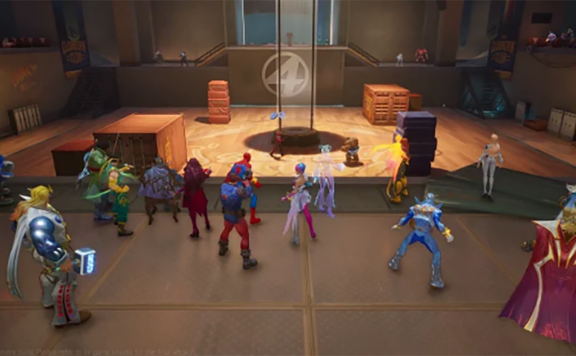
Team-based releases became more common after 2023. You received grouped drops such as the Guardians of the Galaxy set with Mantis, Drax, and Young Adult Groot, or the Fantastic Four lineup featuring Reed Richards, Susan Storm, Johnny Storm, and Ben Grimm. These releases encouraged collection rather than single purchases.
You also encountered crossover humor and Fortnite-specific twists. Characters like Peelverine, Fishpool, and Ghost Ri-Durrr combined Marvel identities with Fortnite originals. These skins kept Marvel content aligned with Fortnite’s playful tone without altering the characters’ core themes.
Battle Pass Marvel characters after 2022 focused less on full-season takeovers and more on selective integration. Figures such as Spider-Gwen, Prowler, Wastelander Magneto, and Captain Jones appeared alongside non-Marvel characters, maintaining balance within each season’s roster.
You likely noticed that Item Shop Marvel releases increased in frequency after 2024. Shorter rotation windows became common, which required you to monitor the shop closely if you wanted specific characters like Black Cat, Mephisto, or Iron Man MK 45. Availability depended on timing rather than progression.
Some characters arrived through Fortnite Crew subscriptions, including Loki Laufeyson and Wolverine Zero. This method limited access to a specific month, making these outfits less predictable in terms of return schedules.
The Marvel lineup now covers heroes, villains, side characters, and stylized companions. Items like Groot (Sidekick) expanded beyond standard outfits, offering cosmetic companions that follow you in matches without gameplay impact.
Across all releases, Marvel skins remain cosmetic only. They do not provide competitive advantages, and their value depends on availability, design preference, and your interest in specific characters or storylines.