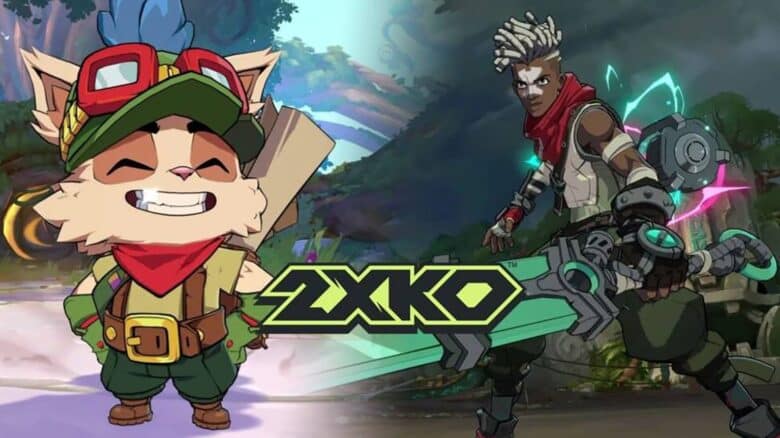
Discussions about gameplay balance have become a central focus within the 2XKO community. Players who waited through development and early access expect every fight to feel fair and refined. Concerns rise when certain champions, such as Ekko and Teemo, gain noticeable advantages in competitive play, sparking ongoing debates about character tuning and fairness.
The roster size also draws attention, with fans eager to see more familiar faces from League of Legends join the lineup. Riot Games continues to outline its steps for expanding the cast and refining how each champion fits within the game’s evolving balance. Their approach emphasizes iterative updates, aiming to keep both casual players and competitors engaged as 2XKO develops.
Developing New 2XKO Champions: Expanding the Roster
Designing champions for 2XKO requires careful coordination between creativity and balance. Each addition starts with concept testing, where developers evaluate how a League of Legends character’s abilities translate to a fighting game system. From there, designers refine movement, hitboxes, and combo potential to ensure clarity and fairness.
The process extends through several stages:
| Stage | Focus Area | Key Goal |
|---|---|---|
| Early Testing | Core mechanics | Define unique gameplay identity |
| Pre-launch Tuning | Visual and mechanical balance | Polish consistency |
| Post-release Adjustments | Live feedback integration | Stabilize overall meta |
Developers confirm that more champions will join over time, but progress remains deliberate. Adjusting even one fighter affects all others, making post-launch updates particularly complex. The team designs with longevity in mind, ensuring a continuously evolving and diverse roster.
Live balance during early access: One 2XKO patch per five weeks
The balance team schedules updates for 2XKO about every five weeks during early access. This approach lets developers gather enough in-game data while keeping the competition stable. Each update fine-tunes champion performance without disrupting player familiarity or combo practice.
Current performance data shows that Ekko and Yasuo dominate both Point and Assist positions. Their strong win and pick rates suggest higher efficiency than intended. Teemo, a ranged fighter, performs too well at close range, showing similar balance issues that require adjustment.
Meanwhile, Blitzcrank and Braum show lower-than-expected effectiveness in neutral engagements. The team plans modest buffs to make them more sustainable without overhauling their design.
| Role | Champions Performing Too Well | Champions Underperforming |
|---|---|---|
| Point/Assist | Ekko, Yasuo, Teemo | Blitzcrank, Braum |
Frequent but deliberate patches aim to stabilize gameplay, reduce bugs, and sustain fair play while maintaining consistent mechanics for competitive players.
2XKO Patch 1.0.3: To Prove the Point
Patch 1.0.3 reflects how Riot Games applies its balance strategy in practice. Players will notice targeted changes that refine champion performance without overhauling the game’s core.
| Champion | Type of Change | Key Focus |
|---|---|---|
| Ekko, Teemo, Yasuo | Nerf | Reducing dominance |
| Blitzcrank | Buff | Expanding utility |
| Warwick, Ahri | Adjustment | Match consistency |
The update also adds new cosmetic options and in-game content to enhance long-term engagement.
Designed for Every Player: From Newcomers to Experts
Riot Games aims to make 2XKO enjoyable for both casual and competitive players by shaping balance around real player data, not assumptions. The team evaluates pick rates and win percentages across all skill brackets to identify where each character succeeds or struggles. This approach ensures every group—beginner, intermediate, or expert—receives attention.
Champion accessibility varies to suit different playstyles:
| Player Level | Example Champions | Playstyle Focus |
|---|---|---|
| Beginner | Jinx, Blitzcrank | Simple controls and clear abilities |
| Advanced | Yasuo, Ekko | Complex mechanics and high-skill combos |
This layered design rewards practice without alienating those still learning. New players can experiment confidently with forgiving characters, while seasoned competitors refine execution and strategy. By responding to community feedback at all levels, the developers keep the game fair and engaging throughout the player base.
Expanding Diverse Victory Approaches in 2XKO’s Competitive Balance
Developers aim to make winning strategies in 2XKO broader and less dependent on cautious gameplay. The dominant low-risk playstyle, often built around retreating and waiting for safe opportunities, limits how players can express their skill. To change this, adjustments target improvements in forward movement and offensive consistency rather than weakening defensive techniques.
Key ideas shaping these balance goals include:
- Enhancing reliability of forward pressure so characters can safely challenge retreating opponents.
- Rewarding accurate punishment when players stop an opponent’s assist or interrupt a tag.
- Avoiding restrictive penalties, such as punishing backward movement with meter loss, which often narrow viable tactics.
| Aspect | Current Focus | Adjustment Direction |
|---|---|---|
| Movement | Defensive tools strong | Increase forward momentum reliability |
| Assists | Often low reward to punish | Boost payoff without harming tag depth |
| Combat Flow | Encourages disengagement | Encourage active re-engagement |
The development approach favors balance through improvement, not limitation. By reinforcing proactive play and fair counterplay opportunities, the designers hope to promote a match environment where multiple routes to victory exist. Community testing and consistent player feedback continue to guide the evolution of this system, ensuring future patches reflect real match data and player experience.