VALORANT’s latest update introduces a significant shift in gameplay design. Patch 11.08 redefines how players approach strategy and mechanics, emphasizing precision and tactical awareness over utility-heavy play.
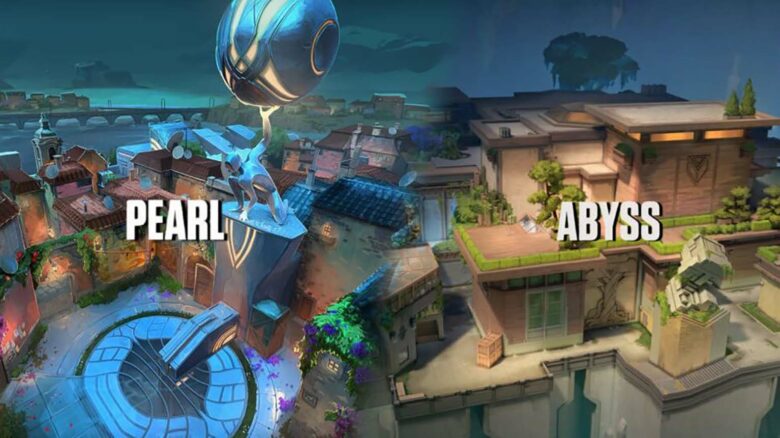
The update includes major changes such as agent ability cooldown adjustments, weapon balance updates, and complete reworks of the Pearl and Abyss maps. These revisions reflect Riot Games’ ongoing effort to refine competitive balance and encourage more deliberate, skill-based engagements across all levels of play.
Pearl adjustments centered on the B site
The developers redesigned Pearl’s B site to promote more direct engagements on the objective rather than extended post-plant play. The update modifies several key sightlines and cover points to make holding or retaking the area more balanced for both teams.
A major change involves the removal of the long sightline from B Long. A new box structure now blocks visibility toward the spike from the main entrance. This alteration forces attackers to commit deeper into the site instead of relying on long-range control after planting. The additional cover also prevents teammates from easily watching the spike from afar, encouraging closer coordination during site defense or retake scenarios.
In B Long, players now have a fresh defensive angle that provides extra protection when facing aggressive pushes. This position offers limited but valuable cover, allowing defenders to contest space without overexposing themselves. Attackers can still attempt post-plant setups from this area, yet the reduced visibility and increased risk make it a less dominant option than before.
| Change Area | Key Update | Gameplay Impact |
|---|---|---|
| B Long | New box limits line of sight | Reduces post-plant control from distance |
| B Main | Sightline blocked toward spike | Encourages closer engagements |
| Left-side corner | Added playable angle | Expands tactical variety for both teams |
On the left side of the B site, a new corner angle introduces another layer of tactical depth. Both attackers and defenders can use this spot to hold crossfire lines or reposition during retakes. It supports flexible strategies, especially for players opting for a default spike plant.
These layout adjustments collectively shift Pearl’s B site toward shorter, more contested fights, emphasizing positioning and timing over passive post-plant play. The design encourages teams to take calculated risks and rely on communication to secure or reclaim control of the site.
A more defensive Abyss
The latest adjustments to Abyss focus on improving defensive viability and refining how players contest the B site. The previous layout favored attackers, who could overwhelm defenders with multiple entry points and wide post-plant sightlines. Now, the reworked areas narrow those options, encouraging more structured gunfights and better site control.
A key change can be seen at B Tower, where the upper level has been shortened and the space beneath reconfigured. This prevents teleport-heavy agents from exploiting awkward corners and gives defenders more predictable sightlines. The smaller tower also reduces vertical pressure, forcing attackers to commit more directly to pushes instead of relying on surprise angles.
A new corner beneath the tower now provides a safer spot for post-plant holds or defensive retakes. This addition improves visibility toward B Link, letting players spot enemies dropping from above before they can reposition. It also reduces the number of unpredictable duels that previously occurred around the tower’s base.
| Area | Previous Issue | New Advantage |
|---|---|---|
| Tower Corner | Vulnerable to teleports and off-angles | Controlled space with clearer sightlines |
| B Danger Corridor | Linear and exposed | Reworked for better post-plant positioning |
| Central Box | Too open for planters | Added cover for safer engagements |
Under the central box, an additional corner now allows for more secure spike plants. Before, planters often stood in fully exposed positions, leaving them vulnerable from nearly every direction. The new design introduces a protected planting zone, letting teams anchor their post-plant setups more effectively without removing counterplay opportunities for defenders.
Another structural addition—a new box near the middle of the site—creates stronger trade potential. It encourages defenders to hold closer angles and attackers to coordinate their entries more carefully. This adjustment balances the risk on both sides: defenders gain better cover, while attackers face more complex crossfires when retaking or holding after a plant.
Overall, the rework shifts Abyss toward methodical defensive play. Each new piece of cover, shortened wall, and repositioned corridor contributes to a map that rewards patience, positioning, and communication rather than pure aggression.
Adjusted Mid Pathways
Mid on Abyss has received smaller but meaningful updates that tie into the broader defensive improvements. The Mid Bend, which connects Mid to B Main, now features additional angles that influence how players rotate or contest space. Attackers moving between sites must clear a new corner, slowing their transitions and giving defenders more time to adjust their setups.
The Mid Bend’s location has been moved slightly forward, closer to the mid boxes. This subtle shift changes timing across the map. Attackers rotating from Mid to B now take longer to reach the site, while defenders can reposition faster to intercept flanks. Lurkers benefit as well, gaining a smoother route toward B through the bend without exposing themselves too early.
The Mid Catwalk has also opened up. With fewer protective barriers, defenders can no longer take early, safe duels from the same positions.