Yalla Esports Debt
On August 6, 2025, YaLLa Esports, a prominent tournament organizer in the Counter-Strike 2 scene, publicly confirmed the end of its operations. The announcement was delivered through a brief post on its official X account, followed by the closure of its website and other social media profiles. This marked the collapse of a company that had once positioned itself as a key player in both Tier 1 and Tier 2 competitive events.
The shutdown revealed a much deeper financial crisis. The organization had accumulated debts exceeding $1 million, owed to a mix of professional teams, players, contractors, and former staff members. While many claims remain anonymous, several individuals and organizations have openly discussed the unpaid amounts on public platforms.
One of the most vocal figures has been former co-owner Wadih Al Sayah. Removed from the company earlier in 2025, he reported being owed approximately $272,000. Legal action resulted in partial repayment, but the experience left a lasting impact. Al Sayah had supported YaLLa’s competitive teams before their sudden disbandment, a decision made by founder and CEO Klaus Kajetski to shift focus entirely toward tournament operations.
The disbandment came shortly after the Honor of Kings roster achieved a strong run at the 2022 International Championship, earning $250,000 in prize money from Tencent. According to multiple accounts, some players never received their share of those winnings.
Key Missteps Leading to Financial Collapse
A review of the company’s final years points to several critical errors and operational mismanagement:
| Issue | Description | Impact |
|---|---|---|
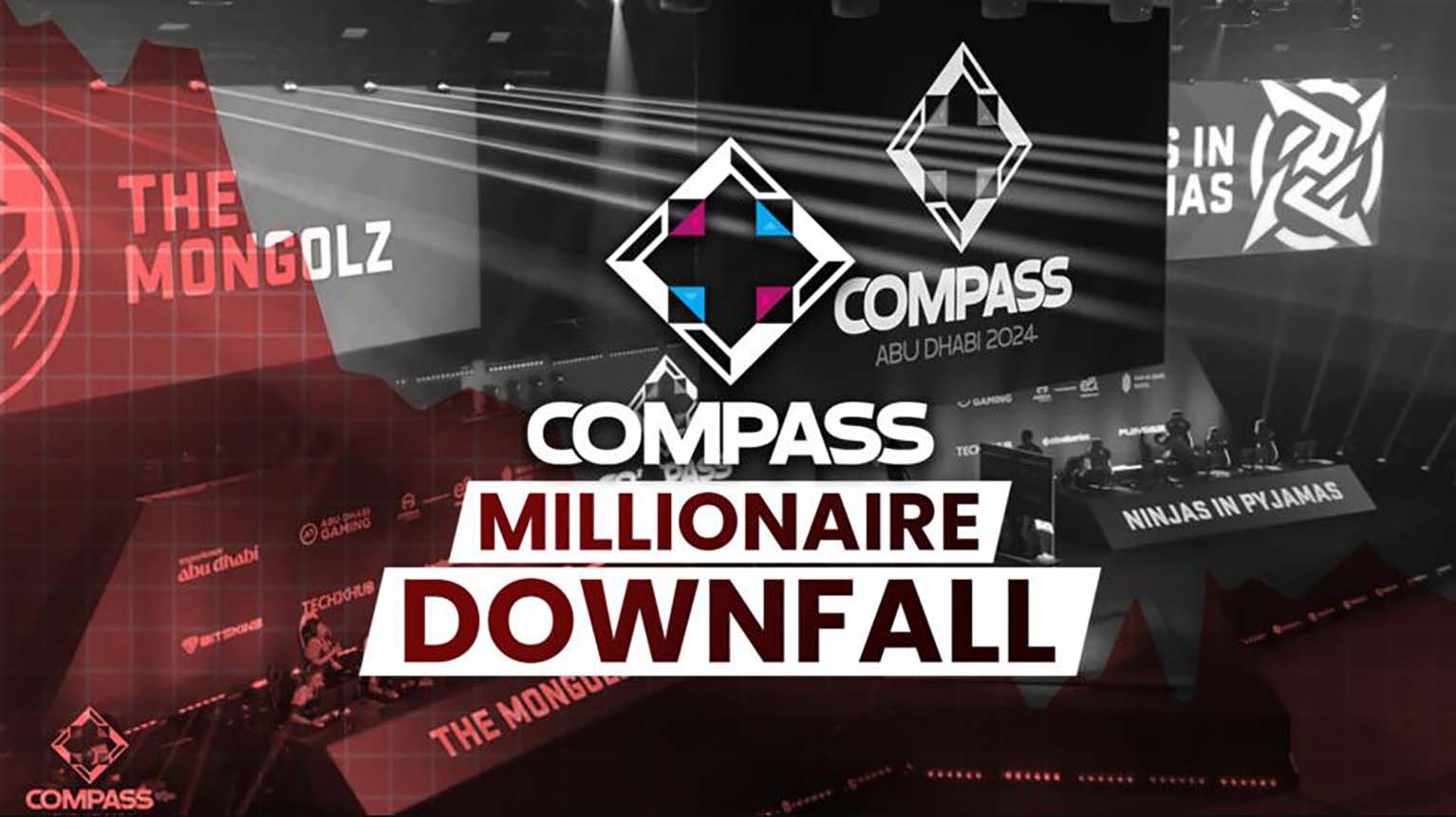
| Aggressive tournament scaling | Launch of the Compass CS series in 2023 with $400,000 prize pools and a Tier 1 LAN final. | High costs with limited commercial return, straining resources. |
| Operational non-compliance | Loss of Tier-S HLTV status for the Winter 2025 event due to failure to meet Valve’s updated requirements. | Reduced event credibility and sponsor dissatisfaction. |
| Scheduling conflicts | The YaLLa Compass Qatar event was placed too close to a BLAST tournament, forcing a shift to an online format and a halved prize pool. | Sponsor 1xBet issued a $160,000 penalty for breach of agreement. |
| Poor internal communication | Employees reportedly worked unpaid for months before being informed of the shutdown in an online meeting. | Loss of trust among staff and contractors. |
| Unpaid competitive winnings | Over $700,000 in prize money remained unpaid to teams such as The MongolZ and NaVi. | Damaged relationships with the professional scene. |
Financial Breakdown
The debt portfolio of YaLLa Esports was spread across multiple categories:
- Teams and players: Unpaid tournament winnings from various events.
- Former staff: Salaries and contractual payments left outstanding.
- Sponsors: Penalties and unpaid obligations, such as the 1xBet settlement.
- Management disputes: Internal financial claims, including those from former executives.
Leadership and Decision-Making
Reports indicate that CEO Klaus Kajetski was aware of operational strains well before the final shutdown. The sudden closure of all esports teams in 2023 was seen by some insiders as a warning sign. This pivot to exclusive tournament hosting increased financial exposure without securing stable revenue streams.
The liquidation process drew criticism for its handling. Accounts from former employees describe a lack of transparency, with assurances of payment continuing even as the company approached insolvency. The final staff meeting reportedly focused on the CEO’s personal difficulties, rather than outlining a structured plan for settling debts.
Impact on the Competitive Scene
The collapse of YaLLa Esports disrupted both Tier 1 and Tier 2 CS2 ecosystems. Teams that had relied on the Compass series for competition and exposure were left without scheduled events or promised payouts. Production crews, broadcast talent, and support staff faced sudden unemployment and unpaid invoices.
While the company had once been praised for offering substantial prize pools to emerging teams, its inability to sustain operations ultimately undermined its contributions to the scene. The combination of overambitious expansion, poor logistical planning, and unresolved financial obligations has left a cautionary example for other tournament organizers.